Hey there, I’m Jake, and for the past 8 years, I’ve been running a genuine leather belt company—mostly supplying small boutiques, vintage clothing lines, and even a few independent designers who’ve gotten sick of the fast-fashion junk that falls apart after 3 months. The question I get all the time, especially lately, is: “Do you actually have genuine leather belts that look vintage—not that cheap ‘distressed’ stuff they print on PU that fades by next summer?” Genuine Leather Belts
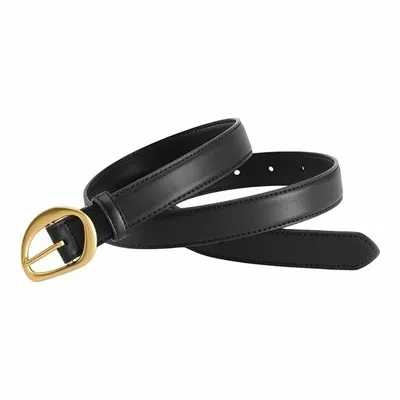
Let me cut to the chase: Yes, we do. But there’s a huge difference between genuine leather belts with a vintage look and the knockoff garbage that brands slap a “vintage” label on to charge $15 more. A lot of people mix up “distressed” (which is just artificial scratches and fading added in a factory) with “vintage patina” (which is what happens when real leather ages for years, gets worn in, develops that soft, warm, used-in love feel). And as someone who works with leather every single day, I can tell you: the only way to get that authentic vintage vibe is with real, full-grain leather—no shortcuts.
Wait, let’s back up for a sec. What makes leather “genuine” anyway? A lot of folks think “genuine leather” means top-tier, but it’s actually the lowest grade of real leather—think split leather or bonded leather, where they glue scraps together and call it a day. It’s stiff, peels easily, and doesn’t take patina worth a damn. Full-grain? That’s the top layer of the hide, with all the natural grain, scars, and character marks that tell a story. It’s the stuff vintage belts are made of, because back when people actually built stuff to last, they used full-grain leather for everything from work boots to belt straps.
Our vintage-style belts? We don’t mess around with cheap PU or split leather. Every belt we supply is top-grain leather—wait, let’s clarify that too: top-grain is the next step down from full-grain, but it’s still way better than genuine. It’s sanded to remove the worst surface imperfections, but it still has that natural grain, and it develops patina over time. We offer two main lines, actually: one is the “instant vintage” line for folks who want that worn look right away, and the other is the “raw vintage” line, which is for clients who want their customers to watch the belt age and build their own patina over years of wear.
For the instant vintage line, we use a process called “wet distressing”—not the artificial dry scratching you see on fast-fashion belts. What that means is, we’re adding intentional creases and softness by hand, instead of stamping them. We soak the leather first, wrap it around a form that mimics how a belt would sit on someone’s waist, then let it dry slowly. That gives it that subtle, lived-in bend, not the stiff, board-like feel of a new belt off a mass-production line. The color? We use oil tanning, which is a traditional method that infuses oil deep into the leather instead of just coating the surface. That’s why the color doesn’t fade to a weird, chalky gray after a few months—it deepens, gets richer, exactly like the old belts you find at flea markets.
The raw vintage line? That’s for the purists. It’s plain, undyed top-grain leather, just a thick strap with a solid brass buckle (brass ages too, turns that cool, dark brown instead of the shiny gold that scratches up). We don’t add any distressing at all. We tell our clients: this belt will look like it’s been passed down through a generation in 5 years if you treat it right. A lot of our boutique clients love this one because their customers don’t want a “fake” vintage look—they want a belt that becomes vintage for them. We had one client in Brooklyn who sells these, and she said customers will save up for 3 months to buy one, because they know it’ll outlast 5 cheap belts.
Now, here’s the part that’s not talked about enough: a lot of suppliers will tell you they have “vintage leather belts,” but they’re just using reclaimed leather. Reclaimed leather is leather from old furniture, car seats, or discarded belts, right? A lot of people think that’s the same, but reclaimed leather is usually 20+ years old, it’s brittle, and it’s often too thin to use for a belt without reinforcing it. We don’t do that. We use new, top-grain leather that’s tanned to look like it’s aged, not recycled old stuff that’s falling apart. There’s a big difference, and we’ve had too many clients come to us after buying reclaimed leather belts that cracked within a month to ever go back to that.
Another thing: hardware. Vintage belts aren’t just leather—they’re the hardware too. Shiny nickel buckles? That’s modern. Old belts have solid brass, maybe even a little tarnish, because back then, they didn’t use cheap plated metal that chips. All our belts come with solid brass buckles, no exceptions. We even have some with vintage-style roller buckles or the prong buckles that you find on old work belts, not the thin, stamped buckles that break if you so much as bend the belt too hard. We’ve tested these buckles—we pulled them as hard as we could, they didn’t snap, which is way more than I can say for the $10 belts at the mall.
I get why people are skeptical, too. The market is flooded with fake vintage leather right now. Last year, we got a guy who runs a boutique in LA, he ordered 50 belts from another supplier that said “genuine vintage leather,” and when he got them, half of them were split leather that started peeling after a week. He came to us furious, and we ended up replacing all of them, no questions asked. That’s why we’re so transparent with our process. We’ll send you swatches, tell you exactly what we use, even let you hold a sample before you order a full container. No fine print, no tricks.
Wait, let’s talk about care too, because that’s part of the vintage vibe. Real leather needs a little love, right? Our belts come with a tiny note: “Condition it with leather balm twice a year, and it’ll keep getting better.” The fake stuff? You don’t do anything, it just gets worse. A lot of our clients tell their customers that story—about caring for the belt—and that turns a $40 belt into a heirloom, which is way more valuable than any fast-fashion item. That’s the thing about genuine leather belts with a vintage look: they’re not just an accessory, they’re something you use every day, and they carry your memories. The old belt around your dad’s waist? That’s patina. That’s the story no one can fake.
Now, I know a lot of people reading this are probably boutique owners, vintage shop managers, maybe even small brands looking for a supplier that doesn’t cut corners. We don’t do MOQs that are impossible—we know small businesses can’t drop $10k on a first order, so we do small test orders, like 20 belts, so you can see how they sell before you commit to more. We also do custom sizing, because a lot of suppliers only do standard sizes, but vintage belts usually have that extra hole or two to let you adjust for when you’re a little tighter or looser. That’s a small thing, but it makes a huge difference for someone who actually wears their belt, not just hangs it on a wall.
I’ve been in this game for long enough to know that a lot of suppliers will lie about their leather. They’ll say “genuine leather” when it’s PU, they’ll say “full-grain” when it’s split, they’ll fake the distressing to make it look old. But for us, it’s not just about selling belts—it’s about keeping that old quality alive. Back when my grandpa was a leather worker in Texas, he’d make belts that lasted 20 years, and he’d say “if it doesn’t get better with age, it’s not worth making.” That’s the standard we go by.
So, to answer the original question: yes, there are genuine leather belts with a vintage look. But they’re not the cheap stuff you see on Amazon with “distressed” in the title. They’re made with thick, high-quality leather, old-school tanning methods, solid hardware, and they’re built to last. If you’re a buyer looking for a supplier that gets it, that doesn’t mess around with fakes, that stands behind their product—reach out. We’re here to work with you, no hidden agendas, no weird fine print, just real leather, real vintage vibe, and real quality.
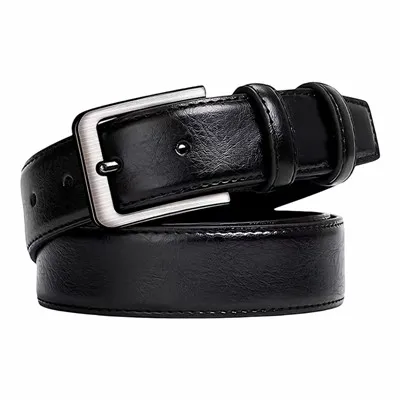
Don’t get me wrong, I’m not saying all vintage belts have to be new. We still love hunting for old belts at flea markets, the ones that are held together with a little bit of leather balm and a lot of stories. But when you’re a business owner wanting to sell that same feel to your customers, you don’t have to dig through a million flea markets. We can supply you with belts that look and feel authentic, without the hassle, and without the risk of selling something that falls apart after a month.
Men’s Belts At the end of the day, it’s all about authenticity. The people who buy vintage-style leather belts? They can spot a fake from a mile away. They want something that’s real, something they can pass down, something that looks better the longer they use it. That’s exactly what we make. So if you’re ready to stop settling for the fake stuff, and start supplying your customers with belts that actually have that genuine vintage vibe, hit us up. We’d love to chat, send you samples, and work out something that fits your business.
References
- Society of Leather Technologists and Chemists. (2022). Leather Grades and Classification for Apparel and Accessories.
- International Leather Consortium. (2021). Patina Development in Top-Grain Leather Products.
- U.S. Commercial Service. (2020). Global Supply Chain Guidelines for Genuine Leather Goods.
- Vintage Leather Association. (2019). Traditional Tanning Methods for Authentic Vintage Style Accessories.
Pingyang County Ganhua Leather Goods Co., Ltd.
As one of the most professional genuine leather belts manufacturers and suppliers in China, we’re featured by quality products and good service. Please rest assured to wholesale customized genuine leather belts made in China here from our factory. Also, free sample is available.
Address: No. 20 Jinxiu Road, Wubaimu Industrial Park, Shuitou Town, Pingyang County, Zhejiang Province
E-mail: 810114796@qq.com
WebSite: https://www.ganhuabelt.com/
