Yo, folks! I’m a supplier of conventional circular saw machines. One question I get asked a lot is, "How long does a blade on a conventional circular saw machine last?" Well, let’s dig into this topic and see what we can find out. Conventional Circular Saw Machine
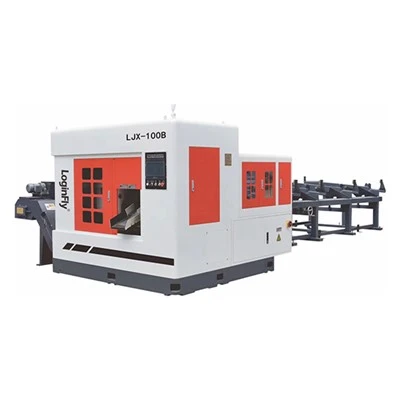
First off, there ain’t no one – size – fits – all answer to this question. The lifespan of a circular saw blade depends on a bunch of factors. One major factor is the type of material you’re cutting.
If you’re cutting softwoods like pine or cedar, the blade is gonna last a long time. Softwoods are, well, soft. They don’t put as much wear and tear on the blade teeth. A good – quality blade can cut through a whole lot of softwood boards before it starts to dull. You might be able to make thousands of cuts over a period of months or even years, depending on how often you use the saw.
On the other hand, if you’re cutting hardwoods like oak or maple, the story is different. Hardwoods have a lot more density and toughness. The blade has to work harder to slice through them. The teeth of the blade rub against the tough wood fibers, which causes them to dull faster. You might notice that the cuts start to look a bit rough or the saw starts to struggle after a few hundred cuts. So, when cutting hardwoods, you’ll probably need to replace the blade more often.
Then there’s the matter of cutting metal. Using a circular saw blade for cutting metal is a whole different ballgame. Metal is incredibly tough and can quickly wear down the blade. The friction generated when cutting metal is also much higher, which can cause the blade to overheat. If the blade overheats, the teeth can lose their hardness and sharpness. When cutting thin gauge metals, you might get away with a few dozen cuts, but for thicker metals, the blade might be done after just a few cuts.
Another factor that affects the blade’s lifespan is the quality of the blade itself. There are cheaper blades out there, and then there are high – end ones. The cheap blades are usually made with lower – quality materials. Their teeth might not be as sharp or as durable. They can start to dull quickly, even when cutting relatively easy materials like softwood.
High – end blades, on the other hand, are made with better – quality steels and often have special coatings or treatments. These coatings can reduce friction and make the blade more resistant to wear. A good high – end blade can cost a bit more upfront, but it can save you money in the long run because you won’t have to replace it as often.
The way you use the saw also plays a big role. If you’re constantly forcing the saw through the material, it’s gonna put extra stress on the blade. This can make the teeth break or dull faster. You should always let the saw do the work. Feed the material at a steady, appropriate pace, and don’t try to rush the cutting process.
Also, proper maintenance of the blade is key. After each use, you should clean the blade. Sawdust and debris can build up on the blade, which can interfere with its cutting performance. You can use a brush or compressed air to clean the blade. And if the blade gets wet, make sure to dry it thoroughly to prevent rust.
Let’s talk about signs that it’s time to replace the blade. One of the most obvious signs is a change in the quality of the cuts. If the cuts are rough, if there’s a lot of splintering on the wood, or if the cuts aren’t as straight as they used to be, it’s probably because the blade is dull.
Another sign is if the saw starts to vibrate more than normal. A dull blade can cause the saw to work harder, which can lead to increased vibration. You might also notice that the saw takes longer to cut through the material. If it used to cut through a board in a few seconds and now it’s taking much longer, it’s a sign that the blade is losing its edge.
So, how do you actually tell how long a blade will last in specific numbers? Well, it’s really hard to put an exact number on it. But as a rough estimate, if you’re using a good – quality blade for cutting softwood in a light – duty home workshop scenario, you could get anywhere from 1,000 to 5,000 cuts. For hardwoods in a similar context, maybe 200 to 1,000 cuts. And for cutting metal, as I said before, it could be just a few dozen cuts for thicker metals.
If you’re a professional woodworker who’s using the saw all day, every day, the blade lifespan is gonna be much shorter. You might need to replace the blade every few days or even every day in some cases, depending on the materials you’re cutting.
At the end of the day, if you want to get the most out of your circular saw blade, invest in a good – quality one, use it properly, and maintain it well. And if you’re in the market for a conventional circular saw machine or replacement blades, I’m here to help. I’ve got a wide range of products to suit different needs and budgets. Whether you’re a DIY enthusiast or a professional contractor, I can provide you with the tools you need to get the job done right.

If you’re interested in learning more about our products or want to discuss your specific requirements, don’t hesitate to reach out. Let’s have a chat about how we can make your cutting tasks easier and more efficient.
Band Saw Machine References
- Woodworking magazines that often have articles on tool maintenance and blade lifespan.
- Manufacturer’s guides for circular saw blades and machines.
Shanghai Loginfly Sawing Technology Co., Ltd.
As one of the most professional conventional circular saw machine manufacturers and suppliers in China, our products have good reputation in the market. We warmly welcome you to wholesale premium conventional circular saw machine from our factory. If you have any enquiry about cooperation, please feel free to email us.
Address: Room 506 NO.655 Yinxiang Road,Nanxiangtown,Jiading District, Shanghai.China
E-mail: sales01@loginfly.com
WebSite: https://www.loginflysaws.com/
