When it comes to ensuring the quality and integrity of packaging, the role of reliable and efficient testing equipment cannot be overstated. As a supplier deeply involved in the realm of packaging testing equipment, I’ve witnessed firsthand the diverse needs and challenges that manufacturers face. This article will delve into the key features to look for in packaging testing equipment, shedding light on aspects that are crucial for accurate and meaningful results. Packaging Testing Equipment

Precision and Accuracy
One of the most fundamental features to consider in packaging testing equipment is precision and accuracy. In the world of packaging, even the slightest deviation can have significant consequences. Whether it’s measuring the strength of a cardboard box, the sealing integrity of a pouch, or the barrier properties of a plastic film, accurate data is essential for assessing compliance with industry standards and specifications.
High – precision sensors are at the heart of accurate testing equipment. These sensors can detect even the smallest changes in pressure, force, temperature, or humidity. For example, in a compression testing machine used to evaluate the stacking strength of corrugated boxes, a high – precision load cell can measure the exact amount of force applied until the box collapses. This level of accuracy allows manufacturers to determine the maximum weight that a box can safely support during storage and transportation.
Calibration is another crucial aspect related to precision. Regular calibration of testing equipment ensures that the measurements are consistent and reliable over time. A well – calibrated machine will provide results that can be trusted, enabling manufacturers to make informed decisions about their packaging designs and materials.
Versatility
Packaging comes in a wide variety of shapes, sizes, and materials, from rigid plastics and glass to flexible films and paperboard. Therefore, packaging testing equipment should be versatile enough to accommodate different types of packaging.
A versatile testing machine can perform multiple tests on various packaging formats. For instance, a single testing system might be capable of conducting compression tests on boxes, seal strength tests on pouches, and puncture resistance tests on flexible films. This not only saves floor space in the manufacturing facility but also reduces the need to invest in multiple specialized machines.
In addition, the ability to adjust the testing parameters is an important part of versatility. The equipment should allow operators to set different testing speeds, pressures, and temperatures according to the specific requirements of the packaging being tested. This flexibility ensures that accurate and relevant results can be obtained for a wide range of packaging applications.
Ease of Use
In a busy manufacturing environment, equipment that is easy to use can significantly improve productivity. Packaging testing equipment should be designed with user – friendly interfaces and intuitive controls.
Clear and concise displays are essential for operators to monitor the testing process and view the results. Touch – screen interfaces are becoming increasingly popular as they offer a more straightforward and interactive way to operate the equipment. These interfaces allow operators to quickly input testing parameters, start and stop tests, and save or print results.
Simple setup procedures are also crucial. The equipment should be easy to install, calibrate, and maintain. Minimizing the time and effort required for setup means that more time can be spent on actual testing, ultimately increasing the efficiency of the quality control process.
Durability and Reliability
Packaging testing equipment is often used in demanding industrial environments, where it may be subject to frequent use, vibration, and exposure to various substances. Therefore, durability is a key feature to look for.
The construction materials of the equipment play a major role in its durability. High – quality metals and robust plastics are commonly used to ensure that the machine can withstand the rigors of daily use. For example, the frame of a compression testing machine should be made of strong steel to provide stability and prevent deformation during testing.
Reliability is closely related to durability. A reliable testing machine will operate consistently over long periods without frequent breakdowns. This reduces downtime in the manufacturing process and ensures that quality control procedures can be carried out smoothly. Regular maintenance and servicing are also important to keep the equipment in good working condition. However, a well – designed and reliable machine will require less frequent and less extensive maintenance.
Data Management and Reporting
In today’s digital age, the ability to manage and analyze test data is crucial for making informed decisions. Packaging testing equipment should be equipped with data management features that allow operators to store, retrieve, and analyze test results.
A built – in data logger can record all the relevant testing data, including test parameters, time stamps, and measurement values. This data can be easily transferred to a computer for further analysis. Software applications that accompany the testing equipment can provide advanced data analysis tools, such as graphing and statistical analysis. These tools help manufacturers identify trends, detect anomalies, and make improvements to their packaging designs.
Accurate and professional reporting is also essential. The equipment should be able to generate detailed test reports that include all the necessary information, such as test results, standards compliance, and any relevant comments. These reports can be used for internal quality control purposes, as well as for providing evidence of compliance to customers or regulatory authorities.
Safety Features
Safety is of utmost importance in any industrial setting, and packaging testing equipment is no exception. The equipment should be equipped with a range of safety features to protect operators from potential hazards.
Emergency stop buttons are a basic but essential safety feature. These buttons allow operators to immediately halt the testing process in case of an emergency. Guards and enclosures are also important to prevent operators from coming into contact with moving parts or hazardous substances during testing.
In addition, the equipment should be designed to comply with relevant safety standards and regulations. For example, electrical components should be properly insulated and grounded to prevent electrical shocks. Pressure – sensitive safety mats can be installed around the equipment to detect the presence of an operator’s foot and stop the machine if necessary.
Cost – Effectiveness
While quality and performance are important, cost – effectiveness is also a significant consideration for manufacturers. Packaging testing equipment should offer a good balance between features and cost.
When evaluating the cost – effectiveness of a testing machine, it’s important to consider not only the initial purchase price but also the long – term operating costs. This includes factors such as energy consumption, maintenance requirements, and the cost of replacement parts. A more expensive machine with better durability and lower operating costs may be a more cost – effective choice in the long run.
In addition, some suppliers offer rental or leasing options for packaging testing equipment. This can be a cost – effective solution for smaller manufacturers or for those who only need to conduct testing on a sporadic basis.
In conclusion, when looking for packaging testing equipment, it’s important to consider a combination of factors, including precision and accuracy, versatility, ease of use, durability and reliability, data management and reporting, safety features, and cost – effectiveness. By carefully evaluating these features, manufacturers can select the equipment that best meets their specific needs and budget.
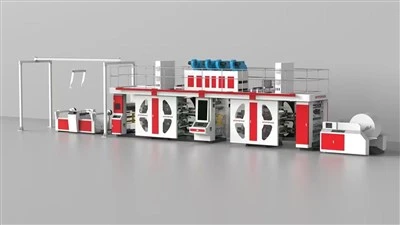
As a supplier of packaging testing equipment, we understand the importance of providing high – quality products that meet the diverse requirements of our customers. Our team of experts is committed to helping you choose the right testing equipment for your packaging applications. If you are interested in learning more about our range of packaging testing equipment or have any questions about the features and capabilities of the machines, please feel free to contact us for a detailed consultation. We look forward to working with you to ensure the quality and integrity of your packaging.
Packaging Testing Equipment References
- ASTM International Standards on Packaging Testing
- ISO Standards related to Packaging and Packaging Materials Testing
- TAPPI (Technical Association of the Pulp and Paper Industry) Publications on Packaging Testing
- Various Industry Whitepapers on Packaging Quality Control and Testing Equipment
Wenzhou Haidobao Machinery Technology Co., Ltd.
As one of the most professional packaging testing equipment manufacturers in China, we have world-leading production equipment and strong manufacturing capabilities. Please rest assured to wholesale durable packaging testing equipment for sale here from our factory. All customized machines are with high quality and competitive price.
Address: No. 116, Xinglong Road, Wanquan Town, Pingyang County
E-mail: 214949666@qq.com
WebSite: https://www.hdbmachinery.com/
