Can an Automatic Feeding Machine be used for liquid food? Automatic Feeding Machine
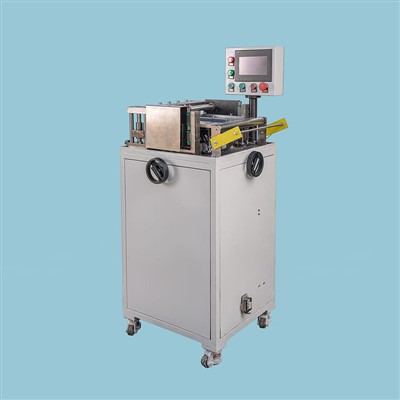
In the dynamic landscape of modern food processing and industrial automation, the role of automatic feeding machines has become increasingly pivotal. These machines have revolutionized the way we handle various types of food products, streamlining processes and enhancing efficiency. However, a question that often arises in my line of work as an automatic feeding machine supplier is whether these machines can be used for liquid food. In this blog, I will delve into this topic, exploring the feasibility, challenges, and benefits of using automatic feeding machines for liquid food.
The Feasibility of Using Automatic Feeding Machines for Liquid Food
At the core of the matter, the answer to whether an automatic feeding machine can be used for liquid food is a resounding yes. Technologically, modern automatic feeding machines are engineered with a high level of adaptability and precision, making them suitable for handling liquid substances. The design of these machines can be customized to accommodate the unique properties of liquids, such as viscosity, flow rate, and temperature.
One of the key factors that determine the feasibility is the type of feeding mechanism employed in the machine. For liquid food, positive displacement pumps are commonly used. These pumps work by trapping a fixed amount of liquid and then forcing it out through the discharge outlet. This ensures a consistent and accurate flow of liquid, which is crucial for maintaining the quality and quantity of the food being dispensed.
Another important aspect is the material of the components that come into contact with the liquid food. Stainless steel is a popular choice due to its corrosion – resistance, durability, and compliance with food safety standards. This ensures that the machine can handle liquid food without contaminating it, which is of utmost importance in the food industry.
Challenges in Using Automatic Feeding Machines for Liquid Food
While it is feasible to use automatic feeding machines for liquid food, there are several challenges that need to be addressed. One of the primary challenges is the issue of viscosity. Different liquid foods have varying viscosities, ranging from thin, watery substances like fruit juices to thick, paste – like products such as tomato sauce. High – viscosity liquids require more powerful pumps and more robust piping systems to ensure smooth flow.
Temperature also plays a significant role. Some liquid foods need to be maintained at a specific temperature to preserve their quality. For example, dairy products need to be kept at a cold temperature to prevent spoilage. This means that the automatic feeding machine may need to be equipped with temperature – control features, such as heating or cooling jackets, to ensure that the liquid food remains within the desired temperature range.
Cleaning and sanitation are additional challenges. Liquid food can leave residues in the machine, which can harbor bacteria and other microorganisms. Therefore, the machine must be designed for easy cleaning and sanitization. This may involve the use of quick – disconnect fittings, which allow for easy removal of components for thorough cleaning.
Benefits of Using Automatic Feeding Machines for Liquid Food
Despite the challenges, there are numerous benefits to using automatic feeding machines for liquid food. One of the most significant advantages is increased efficiency. These machines can dispense liquid food at a much faster rate than manual methods, which can lead to higher production volumes. This, in turn, can result in cost savings for food manufacturers.
Accuracy is another key benefit. Automatic feeding machines can precisely measure the amount of liquid food being dispensed, ensuring consistent product quality. This is particularly important in the food industry, where even small variations in the amount of ingredients can affect the taste and texture of the final product.
In addition, using an automatic feeding machine can improve food safety. By reducing the need for manual handling of liquid food, the risk of contamination is minimized. The use of food – grade materials and proper cleaning and sanitization procedures further enhance food safety.
Customization for Liquid Food Applications
As an automatic feeding machine supplier, I understand that each customer’s needs are unique. Therefore, we offer a range of customization options for customers who wish to use our machines for liquid food applications.
For customers dealing with high – viscosity liquids, we can provide pumps with higher pressures and larger capacities. We can also customize the piping system to ensure that it can handle the increased resistance caused by the thick liquid.
In terms of temperature control, we can install heating or cooling elements in the machine as required. This allows customers to maintain the optimal temperature for their liquid food throughout the feeding process.
We also pay special attention to the cleaning and sanitation requirements. Our machines can be designed with features such as self – cleaning systems and easy – to – disassemble components to facilitate thorough cleaning.
Case Studies
To illustrate the effectiveness of using automatic feeding machines for liquid food, let me share a few case studies.
A beverage company was struggling with the inconsistent filling of their fruit juices. They were using manual methods, which were time – consuming and prone to errors. After installing our automatic feeding machine, they were able to increase their production speed by 30% and improve the accuracy of the filling process. The machine’s positive displacement pump ensured a consistent flow of juice, and the stainless – steel components maintained the quality and safety of the product.
A dairy manufacturer was facing challenges in maintaining the cold temperature of their milk during the feeding process. Our customized automatic feeding machine was equipped with a cooling jacket, which kept the milk at the required temperature. This not only improved the quality of the milk but also reduced the risk of spoilage, resulting in significant cost savings for the manufacturer.
Conclusion
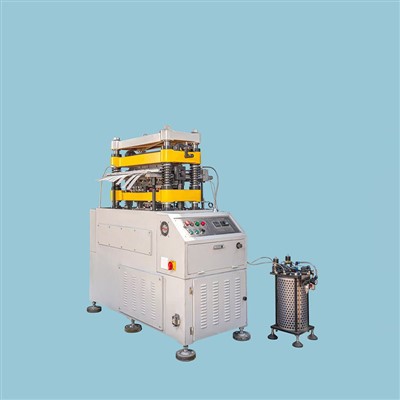
In conclusion, an automatic feeding machine can indeed be used for liquid food. While there are challenges to overcome, such as viscosity, temperature control, and cleaning, the benefits in terms of efficiency, accuracy, and food safety are substantial. As an automatic feeding machine supplier, we are committed to providing customized solutions that meet the specific needs of our customers in the liquid food industry.
Stamping Die If you are in the food industry and are looking for an automatic feeding machine for your liquid food products, I encourage you to contact us for a detailed discussion. Our team of experts will be happy to understand your requirements and provide you with the best possible solution. Let’s work together to enhance your production processes and achieve greater success in the competitive food market.
References
- "Food Processing Technology: Principles and Practice" by P. J. Fellows
- "Handbook of Food Engineering" edited by D. R. Heldman and D. B. Lund
- Industry reports on food processing automation from leading market research firms.
Suichang Lvye Machinery Co., Ltd.
We are one of the most professional automatic feeding machine manufacturers in China, also support customized service with low price. We warmly welcome you to buy discount automatic feeding machine for sale here from our factory. If you have any enquiry about quotation, please feel free to email us.
Address: No. 402, Mudanting East Road, Miaogao Street, Suichang County, Lishui City, Zhejiang Province
E-mail: L528753@outlook.com
WebSite: https://www.suichanglvye.com/
