Hey there! I’m a guy who’s been in the steel coil supply business for quite a while. One question that often comes up from our customers is, "What’s the thermal conductivity of a steel coil?" Well, let’s dive right into it and break it down in a way that’s easy to understand. Steel Coil
First off, thermal conductivity is basically a measure of how well a material can transfer heat. Think of it like this: if you’ve got a hot object and you’re trying to cool it down by touching it with another material, a material with high thermal conductivity will let the heat flow through it quickly. On the other hand, a material with low thermal conductivity will hold onto the heat and not let it pass through as easily.
Now, when it comes to steel coils, the thermal conductivity isn’t a one – size – fits – all number. It depends on a bunch of factors. The type of steel is a major one. There are different grades of steel, and each grade has its own unique chemical composition. For example, carbon steel, which is one of the most commonly used types in steel coils, has different thermal conductivity values depending on how much carbon it contains. Generally, as the carbon content increases, the thermal conductivity of carbon steel decreases a bit.
Alloy steels, which have other elements like chromium, nickel, or manganese mixed in with the iron and carbon, also have varying thermal conductivities. These additional elements can change the internal structure of the steel, which in turn affects how heat moves through it. For instance, stainless steel, an alloy steel with a significant amount of chromium, has a lower thermal conductivity compared to some plain carbon steels. That’s because the chromium atoms disrupt the flow of heat – carrying electrons in the steel.
The temperature also plays a huge role. As the temperature of a steel coil goes up, its thermal conductivity usually changes. In most cases, the thermal conductivity of steel decreases as the temperature increases. This is because at higher temperatures, the atoms in the steel vibrate more vigorously. These vibrations can act as obstacles to the flow of heat, making it harder for the heat to move through the material.
Another factor is the microstructure of the steel. The way the atoms are arranged in the steel can affect thermal conductivity. For example, if the steel has a fine – grained microstructure, heat can move through it more easily compared to a steel with a coarse – grained microstructure. During the manufacturing process of steel coils, things like rolling, heat treatment, and cooling rates can all influence the microstructure of the steel.
So, what are the typical thermal conductivity values for steel coils? Well, for carbon steels, the thermal conductivity at room temperature (around 20°C) is usually in the range of 40 – 60 W/(m·K) (watts per meter – kelvin). That means if you have a carbon steel coil and there’s a temperature difference across it, heat will flow through it at a rate within that range. Stainless steels, as I mentioned before, have lower thermal conductivities. They typically range from about 10 – 20 W/(m·K) at room temperature.
Why does the thermal conductivity of a steel coil matter? It’s super important in a bunch of applications. In the automotive industry, for example, steel coils are used to make engine parts. Knowing the thermal conductivity helps engineers design parts that can handle the heat generated by the engine without overheating. In the construction industry, steel coils are used in building structures. If the steel has the right thermal conductivity, it can help with energy efficiency in buildings. For instance, in a building with a steel frame, the thermal conductivity of the steel can affect how much heat is transferred in and out of the building.
In the manufacturing of electrical appliances, steel coils are also used. The thermal conductivity of the steel can impact how well the appliance dissipates heat, which is crucial for its performance and lifespan. For example, in a refrigerator, steel components need to be able to transfer heat efficiently to keep the inside cool.
We, as a steel coil supplier, understand the importance of providing our customers with accurate information about the thermal conductivity of our products. That’s why we conduct detailed testing on our steel coils. We have a team of experts who use advanced equipment to measure the thermal conductivity of each batch of steel coils we produce. We also keep detailed records of the composition, manufacturing process, and thermal conductivity data for all our products. This way, when our customers need to know the thermal conductivity of a specific coil, we can provide them with reliable information quickly.
If you’re in the market for steel coils and you’ve got questions about thermal conductivity or any other properties, don’t hesitate to reach out to us. We’re here to help you find the right steel coil for your needs, whether you’re working on a small DIY project or a large – scale industrial application. We can also provide you with samples so you can test them out for yourself and see how they perform in terms of thermal conductivity and other factors.
In conclusion, the thermal conductivity of a steel coil is influenced by many factors like the type of steel, temperature, and microstructure. It’s an important property that has a big impact on how steel coils are used in various industries. Whether you’re an engineer, a builder, or a manufacturer, understanding the thermal conductivity of steel coils can help you make better – informed decisions when it comes to choosing the right materials for your projects.
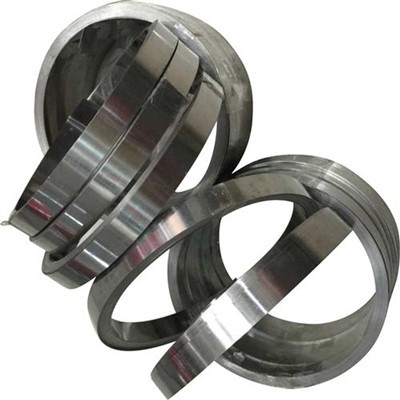
So, if you think our steel coils could be a good fit for your needs, let’s start a conversation. We’re ready to work with you and provide you with the best quality steel coils at a competitive price.
Stainless Steel Coil References:
- Callister, W. D., & Rethwisch, D. G. (2010). Materials Science and Engineering: An Introduction. Wiley.
- ASM Handbook Committee. (1990). ASM Handbook Volume 1: Properties and Selection: Irons, Steels, and High – Performance Alloys. ASM International.
Shanxi Midas Industrial Co., Ltd.
We’re known as one of the most professional steel coil manufacturers and suppliers in China. With abundant experience, we warmly welcome you to buy cheap steel coil made in China here from our factory. For price consultation, contact us.
Address: 28th, Huanqiu Jinrong Zhongxin, Xieyuan Road, Changfeng Business District, Taiyuan City, Shanxi Province, China
E-mail: midassteel@163.com
WebSite: https://www.midassteel.com/
