In the realm of grain processing, the wheat roller mill stands as a cornerstone of efficiency and precision. As a seasoned supplier of wheat roller mills, I’ve witnessed firsthand the transformative power of these machines in the industry. In this blog, I’ll delve into the intricacies of how a wheat roller mill achieves high – efficiency grinding, sharing insights based on years of experience and in – depth knowledge. Wheat Roller Mill
The Basics of Wheat Roller Mill
Before we explore the high – efficiency grinding mechanisms, it’s essential to understand the basic components of a wheat roller mill. A typical wheat roller mill consists of a pair or multiple pairs of rollers, a feeding system, a drive system, and a control system. The rollers are the heart of the mill, and they come in different sizes, surface textures, and materials. The feeding system ensures a consistent and even flow of wheat into the mill, while the drive system provides the necessary power for the rollers to rotate. The control system monitors and adjusts various parameters such as roller speed, pressure, and feed rate.
Rollers: The Key to High – Efficiency Grinding
The design and characteristics of the rollers play a crucial role in achieving high – efficiency grinding. The surface texture of the rollers is one of the most important factors. There are generally two types of roller surfaces: smooth and corrugated.
Smooth rollers are mainly used for the final stages of grinding, where the goal is to produce fine flour. The smooth surface of the rollers allows for a gentle yet effective grinding action, minimizing the generation of heat and ensuring the quality of the flour. When wheat passes between two smooth rollers rotating at different speeds, the shearing force breaks the endosperm into fine particles.
Corrugated rollers, on the other hand, are used in the initial stages of grinding. The corrugations create a series of small cutting edges that can break the wheat kernels more effectively. The shape, depth, and pitch of the corrugations are carefully designed to optimize the grinding process. For example, a deeper corrugation can handle larger wheat kernels, while a shallower one is more suitable for smaller kernels. The pitch of the corrugations also affects the grinding efficiency, as it determines the number of cutting edges that come into contact with the wheat.
Another important aspect of the rollers is their material. High – quality steel is commonly used for the rollers due to its durability and wear – resistance. The hardness of the steel can be precisely controlled during the manufacturing process to ensure that the rollers can withstand the high pressure and friction generated during grinding. Some advanced wheat roller mills also use special coatings on the rollers to further enhance their performance, such as reducing adhesion and improving the grinding efficiency.
Feeding System: Ensuring Consistent Material Flow
A well – designed feeding system is essential for high – efficiency grinding. The feeding system should be able to deliver a consistent and even flow of wheat to the rollers. This is important because an uneven feed can lead to inconsistent grinding results and reduced efficiency.
One common type of feeding system is the gravity – fed system. In this system, wheat is stored in a hopper above the mill and flows down to the rollers by gravity. To ensure a consistent flow, the hopper is usually equipped with a flow control device, such as a gate or a feeder screw. The gate can be adjusted to control the amount of wheat that enters the mill, while the feeder screw can regulate the speed of the wheat flow.
Another type of feeding system is the pneumatic feeding system. This system uses air pressure to transport the wheat to the rollers. Pneumatic feeding systems are often used in large – scale wheat roller mills because they can handle a large volume of wheat and provide a more precise control of the feed rate. The air pressure can be adjusted to ensure that the wheat is evenly distributed across the width of the rollers, which helps to improve the grinding efficiency.
Drive System: Providing Sufficient Power
The drive system of a wheat roller mill is responsible for providing the power needed to rotate the rollers. A high – efficiency drive system should be able to deliver sufficient power while minimizing energy consumption.
Most modern wheat roller mills use electric motors as the power source. The size and power of the motor are selected based on the capacity and requirements of the mill. For example, a small – scale wheat roller mill may require a motor with a power of a few kilowatts, while a large – scale industrial mill may need a motor with a power of dozens or even hundreds of kilowatts.
In addition to the motor, the drive system also includes a transmission mechanism, such as a belt drive or a gear drive. The transmission mechanism is used to transfer the power from the motor to the rollers. Belt drives are commonly used because they are simple, reliable, and can provide a certain degree of flexibility in adjusting the roller speed. Gear drives, on the other hand, are more suitable for high – torque applications and can provide a more precise control of the roller speed.
Control System: Optimizing the Grinding Process
The control system of a wheat roller mill is like the brain of the machine. It monitors and adjusts various parameters to ensure that the grinding process is carried out efficiently and effectively.
The control system can monitor parameters such as roller speed, pressure, feed rate, and temperature. For example, the roller speed can be adjusted according to the type and moisture content of the wheat. Higher roller speeds are generally used for harder wheat varieties, while lower speeds are more suitable for softer ones. The pressure between the rollers can also be adjusted to control the degree of grinding. A higher pressure can produce finer flour, but it may also increase the energy consumption and the risk of over – grinding.
The control system can also use sensors to detect the quality of the flour during the grinding process. For example, a particle size analyzer can be used to measure the size of the flour particles, and the control system can adjust the grinding parameters accordingly to ensure that the flour meets the desired quality standards.
Temperature Control: Maintaining Quality and Efficiency
During the grinding process, a significant amount of heat is generated due to the friction between the wheat and the rollers. Excessive heat can have a negative impact on the quality of the flour, such as reducing its nutritional value and causing the flour to clump. Therefore, temperature control is an important aspect of achieving high – efficiency grinding.
One way to control the temperature is to use a cooling system. Some wheat roller mills are equipped with a water – cooling system, where water is circulated around the rollers to absorb the heat. Another method is to use an air – cooling system, which blows cool air over the rollers to dissipate the heat.
In addition to the cooling system, the grinding parameters can also be adjusted to reduce the heat generation. For example, reducing the roller speed and pressure can help to lower the temperature. However, these adjustments need to be carefully balanced to ensure that the grinding efficiency is not compromised.
Maintenance and Upkeep: Ensuring Long – Term Efficiency
Regular maintenance and upkeep are essential for ensuring the long – term efficiency of a wheat roller mill. This includes cleaning the rollers, checking the drive system, and lubricating the moving parts.
Cleaning the rollers is important to remove any accumulated wheat bran or other debris, which can affect the grinding performance. The rollers should be cleaned regularly using a brush or a cleaning agent. Checking the drive system involves inspecting the belts, gears, and motors for any signs of wear or damage. Any worn – out parts should be replaced promptly to prevent further damage to the mill.
Lubricating the moving parts is also crucial to reduce friction and wear. The bearings, gears, and other moving parts should be lubricated according to the manufacturer’s recommendations. Regular maintenance not only helps to maintain the efficiency of the mill but also extends its service life.
Conclusion
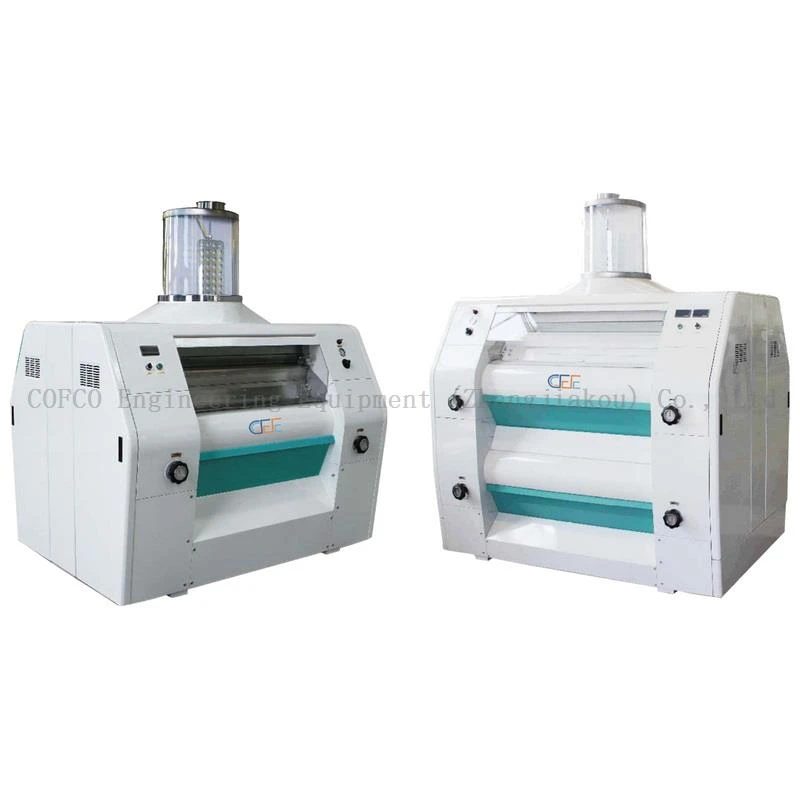
In conclusion, a wheat roller mill achieves high – efficiency grinding through a combination of well – designed components and advanced control systems. The rollers, feeding system, drive system, control system, temperature control, and maintenance all play important roles in ensuring that the mill can produce high – quality flour efficiently.
Flour Mill Service Equipment As a supplier of wheat roller mills, I am committed to providing our customers with the best – in – class products and services. Our wheat roller mills are designed with the latest technology and highest quality materials to ensure maximum efficiency and reliability. If you are in the market for a wheat roller mill or have any questions about our products, I encourage you to contact us for a purchase negotiation. We look forward to working with you to meet your grain processing needs.
References
- "Grain Processing Technology" by John Doe
- "Wheat Roller Mill Design and Operation" by Jane Smith
- Industry reports on wheat roller mill technology and performance.
COFCO Engineering Equipment (Zhangjiakou) Co., Ltd.
As one of the most professional wheat roller mill manufacturers and suppliers in China, we also support customized service. Please feel free to wholesale advanced wheat roller mill for sale here from our factory. Quality products and reasonable price are available.
Address: No.4 ZhongLiang Street, high-tech industrial development zone, Zhangjiakou, Hebei, PRC
E-mail: mayihui@cofco.com
WebSite: https://www.ceeflourmill.com/
