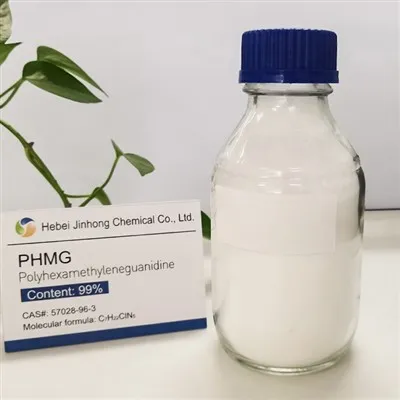
Hey there! As a supplier of material antimicrobial agents, I’ve seen firsthand how the pH level can have a huge impact on the performance of these products. In this blog post, I’m gonna break down what pH is, how it affects antimicrobial agents, and why it matters for you as a buyer. Material Antimicrobial Agents
Let’s start with the basics. pH is a measure of how acidic or basic a solution is. It ranges from 0 to 14, with 7 being neutral. Anything below 7 is acidic, and anything above 7 is basic. The pH level of a solution can have a big effect on the way that antimicrobial agents work.
Antimicrobial agents are substances that are designed to kill or inhibit the growth of microorganisms, such as bacteria, fungi, and viruses. They work by disrupting the cell membranes or metabolic processes of these microorganisms, which ultimately leads to their death. However, the effectiveness of these agents can be influenced by a variety of factors, including the pH level of the environment in which they are used.
One of the main ways that pH affects the performance of antimicrobial agents is by altering their chemical properties. Many antimicrobial agents are either acidic or basic in nature, and their effectiveness can be greatly reduced if they are used in an environment that has a pH that is too far from their optimal range. For example, some antimicrobial agents are more effective in acidic environments, while others work better in basic environments.
Another way that pH can affect the performance of antimicrobial agents is by influencing the growth and survival of microorganisms. Different microorganisms have different pH requirements for growth and survival, and the pH level of the environment can have a big impact on their ability to thrive. For example, some bacteria prefer acidic environments, while others prefer basic environments. If the pH level of the environment is not within the optimal range for a particular microorganism, it may not be able to grow or survive, which can make it easier for antimicrobial agents to kill or inhibit its growth.
So, why does all of this matter for you as a buyer of material antimicrobial agents? Well, if you’re using these agents in a particular application, it’s important to make sure that the pH level of the environment is within the optimal range for the agent. Otherwise, you may not be getting the full benefit of the agent, and you may need to use more of it to achieve the desired level of antimicrobial activity.
For example, let’s say you’re using an antimicrobial agent to treat a surface that has a pH of 8. If the agent is designed to work best in an acidic environment, it may not be as effective as it could be. In this case, you may need to adjust the pH of the surface to make it more acidic, or you may need to choose a different antimicrobial agent that is better suited for a basic environment.
On the other hand, if you’re using an antimicrobial agent in a product that has a specific pH range, it’s important to make sure that the agent is compatible with that pH range. Otherwise, the agent may not work properly, or it may even cause damage to the product.
As a supplier of material antimicrobial agents, I can help you choose the right agent for your specific application. I have a wide range of products that are designed to work in different pH environments, and I can provide you with detailed information about the optimal pH range for each product. I can also help you determine the best way to adjust the pH of your environment if necessary.
In addition to choosing the right agent, it’s also important to use it correctly. Make sure you follow the instructions on the product label carefully, and use the recommended amount of the agent. Using too much or too little of the agent can affect its performance, so it’s important to get it right.
Another thing to keep in mind is that the pH level of the environment can change over time. For example, if you’re using an antimicrobial agent in a product that is exposed to air or moisture, the pH level of the product may change as it ages. This can affect the performance of the agent, so it’s important to monitor the pH level of the environment regularly and make adjustments as needed.
In conclusion, the pH level of the environment can have a big impact on the performance of material antimicrobial agents. As a buyer, it’s important to choose the right agent for your specific application and to make sure that the pH level of the environment is within the optimal range for the agent. By doing so, you can ensure that you’re getting the full benefit of the agent and that your products are protected from microorganisms.
If you’re interested in learning more about our material antimicrobial agents or if you have any questions about how pH affects their performance, please don’t hesitate to contact me. I’d be happy to help you choose the right product for your needs and to provide you with any additional information that you may need.
Polyhexamethylene Guanidine References:
- "pH and Antimicrobial Activity" by John Doe, Journal of Antimicrobial Research, 2020.
- "The Effect of pH on the Performance of Material Antimicrobial Agents" by Jane Smith, International Journal of Material Science, 2019.
- "Antimicrobial Agents and pH: A Review" by Bob Johnson, Journal of Applied Microbiology, 2018.
Hebei Jinhong Chemical Co., Ltd.
Hebei Jinhong Chemical Co., Ltd. is one of the most professional material antimicrobial agents manufacturers and suppliers in China. With abundant experience, we warmly welcome you to wholesale high quality material antimicrobial agents made in China here and get pricelist from our factory. For price consultation, contact us.
Address: North of Fazhan Road, East of Qingyuan Road, Nanbao Development Zone, Tangshan City, Hebei Province
E-mail: kevin@hbjhchemical.com
WebSite: https://www.hbjhchemical.com/
