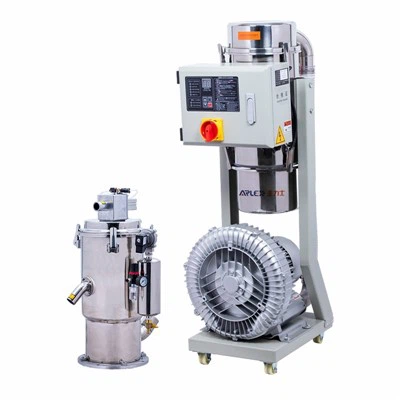
Hey there! I’m from a hopper dryer supply company, and I know how frustrating it can be when your hopper dryer isn’t drying materials as efficiently as it should. Low drying efficiency can mess up your production line and cost you time and money. In this blog, I’ll share some tips on how to troubleshoot this common issue. Hopper Dryer
1. Check the Temperature Settings
One of the first things you should do is check the temperature settings on your hopper dryer. If the temperature is too low, the material won’t dry properly. Most hopper dryers have a temperature control panel where you can set the desired drying temperature. Make sure the setting is appropriate for the material you’re drying.
For example, different plastics have different optimal drying temperatures. If you’re drying polycarbonate, it usually needs a higher temperature compared to polyethylene. Refer to the material’s technical data sheet to find the correct temperature. If the temperature is not reaching the set value, there could be a problem with the heating element. Check if it’s working properly. You can use an infrared thermometer to measure the actual temperature inside the hopper and compare it with the set temperature. If there’s a big difference, it might be time to replace the heating element.
2. Inspect the Airflow
Airflow is crucial for effective drying in a hopper dryer. Poor airflow can lead to uneven drying and low efficiency. Start by checking the air intake and exhaust vents. Make sure they’re not blocked by dust, debris, or other objects. A clogged vent can restrict the flow of air, reducing the dryer’s performance.
You should also check the blower. The blower is responsible for moving the hot air through the hopper. If it’s not working correctly, the airflow will be weak. Listen for any strange noises coming from the blower, which could indicate a problem. You can also check the blower’s speed. Some hopper dryers allow you to adjust the blower speed. Make sure it’s set at an appropriate level for the material and the size of the hopper.
Another thing to consider is the air distribution inside the hopper. If the air isn’t evenly distributed, some parts of the material will dry faster than others. Check if the air diffuser or the distribution plate inside the hopper is in good condition. If it’s damaged or misaligned, it can cause uneven airflow.
3. Evaluate the Material Loading
How you load the material into the hopper can also affect the drying efficiency. Overloading the hopper is a common mistake. If there’s too much material in the hopper, the hot air won’t be able to circulate properly around all the particles. This can result in some parts of the material remaining wet.
On the other hand, underloading the hopper can also be a problem. If there’s not enough material, the hot air might pass through too quickly, not giving it enough time to absorb the moisture from the material. Make sure you follow the manufacturer’s guidelines for the recommended loading capacity.
Also, pay attention to the way you load the material. Try to load it evenly to ensure uniform airflow. If the material is clumped together, it can block the airflow and prevent proper drying. You might want to use a pre – feeder or a vibratory feeder to ensure a more consistent and even loading.
4. Examine the Dew Point
The dew point is an important factor in hopper dryer performance. It indicates the temperature at which the air becomes saturated with moisture and starts to condense. A high dew point means the drying air has a lot of moisture, which can reduce the drying efficiency.
Use a dew point meter to measure the dew point of the air entering the hopper. If the dew point is too high, there could be a problem with the desiccant in the dryer’s dehumidification system. The desiccant is responsible for removing moisture from the air. Over time, the desiccant can become saturated and lose its effectiveness.
You may need to replace the desiccant or regenerate it if possible. The regeneration process typically involves heating the desiccant to drive off the absorbed moisture. Make sure the regeneration cycle is set correctly and is working as intended.
5. Look for Leaks
Leaks in the hopper dryer can also cause low drying efficiency. Air leaks can allow outside air, which is usually more humid, to enter the dryer. This can increase the moisture content in the drying chamber and reduce the effectiveness of the drying process.
Inspect the hopper, the connections between different parts, and the seals for any signs of leaks. You can use a smoke test or an ultrasonic leak detector to find the leaks. If you find any leaks, seal them immediately. You can use gaskets, sealants, or other appropriate sealing materials.
6. Check the Timer and Control System
The timer and control system of the hopper dryer play a vital role in its operation. If the timer is not set correctly, the material may not be dried for the appropriate amount of time. Make sure the drying time is set according to the material’s requirements.
Also, check the control system for any malfunctions. A faulty control system can cause incorrect temperature settings, improper airflow regulation, or other issues. If you suspect a problem with the control system, it’s best to consult a professional technician.
7. Maintenance and Cleaning
Regular maintenance and cleaning are essential for keeping your hopper dryer in good working condition. Over time, dust, dirt, and debris can accumulate inside the dryer, affecting its performance.
Clean the hopper regularly to remove any residual material or buildup. Check and clean the filters, as clogged filters can restrict airflow. Lubricate the moving parts, such as the blower bearings, according to the manufacturer’s recommendations.
Inspect the belts, pulleys, and other mechanical components for wear and tear. Replace any damaged parts promptly to prevent further problems.
In conclusion, troubleshooting low drying efficiency in a hopper dryer involves a systematic approach. By checking the temperature settings, airflow, material loading, dew point, leaks, timer and control system, and performing regular maintenance, you can improve the dryer’s performance and ensure smooth production.
Temperature Control Unit If you’re facing persistent problems with your hopper dryer or are considering upgrading your equipment, we’re here to help. As a hopper dryer supplier, we offer a wide range of high – quality dryers and after – sales support. Contact us for a consultation and let’s discuss how we can meet your specific drying needs and help you optimize your production process.
References
- Plastic Processing Machinery Handbook
- Technical data sheets of various plastic materials
- Manufacturer’s manuals of hopper dryers
Ningbo Yalishi (Arlex) Plastic Machinery Co., Ltd.
Ningbo Yalishi(Arlex) Plastic Machinery Co., Ltd. is one of the most reliable hopper dryer manufacturers and suppliers in China, featured by quality products and low price. Please rest assured to wholesale cheap hopper dryer made in China here from our factory. Customized orders are welcome.
Address: No.63, Huangsu East Road, Industrial Zone, Dongqian Lake Tourist Resort, Ningbo, Zhejiang Province
E-mail: leo@arlex.cn
WebSite: https://www.arleximm.com/
