In the world of industrial machinery, hydraulic pumps play a pivotal role. As a seasoned supplier of hydraulic pumps, I’ve witnessed firsthand the critical impact these components have on the efficiency and productivity of various systems. A reliable hydraulic pump is the heart of any hydraulic system, and its failure can lead to costly downtime and repairs. In this blog, I’ll share some practical strategies on how to improve the reliability of a hydraulic pump, drawing on my years of experience in the industry. Hydraulic Pump
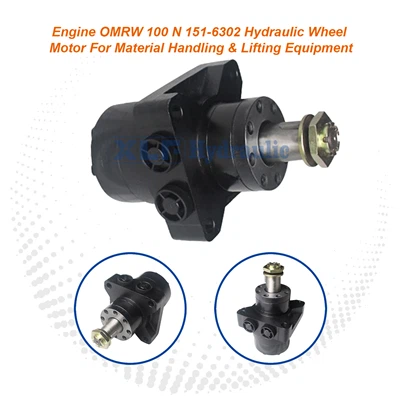
1. Select the Right Hydraulic Pump
The first step in ensuring the reliability of a hydraulic pump is choosing the right one for the specific application. Different applications have different requirements in terms of flow rate, pressure, and operating conditions. For example, a high – pressure application in a heavy – duty construction machine will need a pump with a robust design and high – pressure capabilities.
When selecting a pump, it’s essential to consider the following factors:
- Flow Rate: Determine the required flow rate based on the speed at which the hydraulic actuators need to operate. An undersized pump will not be able to provide sufficient flow, resulting in slow operation, while an oversized pump can waste energy and increase costs.
- Pressure Rating: The pump’s pressure rating should match the maximum pressure required in the hydraulic system. Operating a pump beyond its rated pressure can lead to premature wear and failure.
- Operating Environment: Consider the temperature, humidity, and presence of contaminants in the operating environment. For harsh environments, pumps with appropriate corrosion – resistant coatings and seals may be necessary.
2. Proper Installation
Even the best – designed hydraulic pumps can fail if they are not installed correctly. Here are some key installation guidelines:
- Mounting: Ensure that the pump is mounted securely on a flat and rigid surface. Improper mounting can cause vibration, which can lead to premature wear of the pump components and damage to the entire hydraulic system.
- Alignment: Correct alignment between the pump and the power source (such as an electric motor or an engine) is crucial. Misalignment can cause excessive stress on the pump shaft, bearings, and couplings, reducing the pump’s lifespan.
- Piping: Use high – quality hydraulic pipes and fittings with the appropriate size and rating. The pipes should be properly supported to prevent vibration and stress. Additionally, ensure that the piping is free from sharp bends and obstructions, which can increase pressure loss and reduce the pump’s efficiency.
3. High – Quality Hydraulic Fluid
Hydraulic fluid is the lifeblood of a hydraulic pump. It lubricates the pump’s internal components, transfers power, and helps dissipate heat. Using high – quality hydraulic fluid is essential for pump reliability.
- Fluid Type: Select the appropriate hydraulic fluid based on the pump’s specifications and the operating conditions. Different types of fluids, such as mineral oils, synthetic oils, and water – glycol mixtures, have different properties and are suitable for different applications.
- Fluid Cleanliness: Contaminants in the hydraulic fluid, such as dirt, metal particles, and water, can cause abrasion, corrosion, and damage to the pump’s internal components. Regularly filter the hydraulic fluid to remove contaminants and maintain its cleanliness.
- Fluid Level and Temperature: Monitor the fluid level in the reservoir regularly to ensure that the pump has an adequate supply of fluid. Also, keep the fluid temperature within the recommended range. High fluid temperatures can degrade the fluid’s properties and increase wear on the pump components.
4. Regular Maintenance
Regular maintenance is the key to prolonging the life and improving the reliability of a hydraulic pump.
- Inspection: Conduct regular visual inspections of the pump for signs of leaks, wear, and damage. Check the pump’s mounting bolts, couplings, and seals for tightness. Look for any abnormal noises or vibrations during operation, which can indicate potential problems.
- Fluid Analysis: Periodically analyze the hydraulic fluid to monitor its condition. This can help detect early signs of wear, contamination, and improper fluid properties. Based on the analysis results, take appropriate actions such as changing the fluid or replacing the filters.
- Component Replacement: Replace worn or damaged components promptly. Components such as seals, bearings, and gears have a limited lifespan and can affect the pump’s performance if they are not replaced in time. Follow the manufacturer’s recommended maintenance schedule for component replacement.
5. Training and Education
Proper training and education of the personnel who operate and maintain the hydraulic pumps are essential for their reliable operation.
- Operator Training: Train operators on the correct operation of the hydraulic pump, including start – up, shutdown, and normal operating procedures. They should be aware of the pump’s limitations and safety precautions.
- Maintenance Training: Provide maintenance personnel with in – depth training on the pump’s structure, principles, and maintenance methods. This can help them perform routine maintenance tasks more effectively and diagnose and troubleshoot problems accurately.
6. Partner with a Reliable Supplier
As a hydraulic pump supplier, I understand the importance of providing high – quality products and excellent after – sales service. Partnering with a reliable supplier can ensure that you get the right pump for your application, access to technical support, and timely availability of replacement parts.
A good supplier should have the following characteristics:
- Product Quality: Offer pumps that are manufactured to high – quality standards using advanced technology and materials.
- Technical Expertise: Have a team of experienced engineers who can provide technical advice on pump selection, installation, and maintenance.
- After – Sales Service: Provide prompt after – sales service, including warranty support, repair services, and replacement parts supply.

In conclusion, improving the reliability of a hydraulic pump requires a comprehensive approach that includes proper selection, installation, use of high – quality fluid, regular maintenance, training, and partnering with a reliable supplier. By following these strategies, you can significantly reduce the risk of pump failure, increase the lifespan of the pump, and improve the overall performance of your hydraulic system.
Komatsu Series If you are looking for a reliable hydraulic pump for your application or need advice on improving the reliability of your existing pump, feel free to reach out to us. Our team of experts is ready to assist you in making the right decision and ensuring the smooth operation of your hydraulic system.
References
- "Hydraulic Systems: Design, Operation, and Maintenance" by Author B
- "Pump Handbook" by Author C
Wuhan Xinlaifu Hydraulic Equipment Co., Ltd.
Wuhan Xinlaifu Hydraulic Equipment Co., Ltd. is one of the most professional hydraulic pump manufacturers and suppliers in China, featured by high quality OEM&ODM products. Please feel free to buy customized hydraulic pump from our factory.
Address: Liansu Industrial Park, No.1, Xincheng 11th Road, Dongxihu District, Wuhan, Hubei, China
E-mail: service@xlf-hydraulic.com
WebSite: https://www.xlf-hydraulic.com/
