When dealing with 1.50mm pitch components, the stakes are high. These components, which are widely used in a variety of electronic applications from consumer devices to industrial machinery, are both delicate and essential. As a 1.50mm pitch component supplier, I’ve witnessed firsthand the challenges that manufacturers, assemblers, and engineers face in handling these components without causing damage. In this blog, I’ll share some key strategies and best practices that can help you protect these valuable components throughout the handling process. 1.50mm Pitch
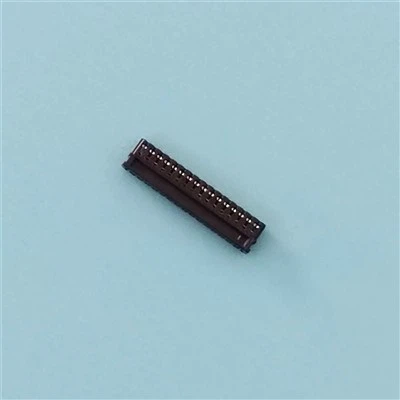
Understanding 1.50mm Pitch Components
Before delving into handling techniques, it’s crucial to understand what makes 1.50mm pitch components so special – and so fragile. The "pitch" refers to the distance between the centers of two adjacent pins or contacts on a component. A 1.50mm pitch indicates a relatively close spacing, which allows for a higher density of connections in a smaller area. This compact design is a primary advantage, enabling miniaturization and enhanced functionality in electronic devices.
However, this close spacing also means that the pins or contacts are thinner and more closely packed, making them more susceptible to bending, breaking, or short – circuiting. Additionally, the smaller size often requires more precision in handling and assembly, and even a slight deviation from the correct alignment can lead to significant issues.
Storage and Packaging
The first line of defense in preventing damage to 1.50mm pitch components begins long before they are handled during assembly. Proper storage and packaging are essential to maintaining the integrity of these components from the moment they leave the factory until they are ready to be used.
- Anti – static Packaging: 1.50mm pitch components are often sensitive to electrostatic discharge (ESD). Therefore, they should always be stored and transported in anti – static packaging materials. These materials can dissipate static electricity, preventing sudden discharges that could damage the delicate internal circuitry of the components.
- Humidity and Temperature Control: Extreme humidity and temperature can also have a negative impact on 1.50mm pitch components. High humidity can cause corrosion, while excessive heat can lead to thermal stress and damage. It’s important to store components in a climate – controlled environment. A temperature range of 20 – 25°C and a relative humidity of 40 – 60% is generally recommended for optimal storage conditions.
- Proper Shelving and Racking: Components should be stored in a way that minimizes the risk of physical damage. They should be placed on clean, dust – free shelves or in racks that can securely hold their packaging. Avoid overcrowding the storage area, as this can increase the likelihood of accidental bumps or drops.
Handling Equipment
Selecting the right handling equipment is critical for avoiding damage to 1.50mm pitch components. The tools you use can significantly impact the success of the handling process.
- Tweezers: When handling individual components, high – quality tweezers are indispensable. Look for tweezers with fine, sharp tips that can grip the component without causing damage. Anti – static tweezers are also recommended to prevent ESD – related problems.
- Vacuum Pick – and – Place Tools: For more automated handling processes, vacuum pick – and – place tools are often used. These tools use suction to pick up components and place them accurately on a circuit board. When choosing a vacuum pick – and – place tool, ensure that it has adjustable suction power to prevent over – or under – gripping of the components.
- Conveyor Systems: In large – scale production environments, conveyor systems are used to transport components. It’s essential to ensure that the conveyor system has smooth surfaces and proper guides to prevent components from shifting or colliding with each other. The speed of the conveyor should also be carefully controlled to avoid sudden movements that could damage the components.
Handling Techniques
Even with the right equipment, proper handling techniques are necessary to avoid damage. Here are some key techniques to keep in mind:
- Avoiding Excessive Force: One of the most common causes of damage to 1.50mm pitch components is the application of excessive force. When using tools such as tweezers or vacuum pick – and – place devices, use only the minimum amount of force required to pick up and manipulate the component. Avoid squeezing or bending the component during handling.
- Proper Alignment: Ensuring proper alignment of the component is crucial, especially when placing it on a circuit board. Use alignment guides or vision systems to confirm that the component is correctly positioned. Misalignment can lead to bent pins, short – circuits, or incorrect soldering.
- Static Prevention: In addition to using anti – static packaging and equipment, it’s important to take other precautions to prevent static buildup during handling. Operators should wear anti – static wrist straps and work on anti – static workbenches. The work environment should also be regularly cleaned to remove dust and debris, which can contribute to static electricity.
Inspection and Testing
Regular inspection and testing are essential steps in the handling process to catch any potential damage early.
- Visual Inspection: Before and after handling, conduct thorough visual inspections of the components. Look for signs of damage such as bent pins, cracked packages, or discoloration. A magnifying glass or microscope can be used to inspect the components more closely.
- Functional Testing: In addition to visual inspection, perform functional testing on the components to ensure that they are operating correctly. This can help identify any internal damage that may not be visible to the naked eye. Testing should be performed in a controlled environment using appropriate test equipment.
Training and Documentation
Proper training of operators is vital for ensuring that 1.50mm pitch components are handled correctly. Operators should be trained on the proper use of handling equipment, handling techniques, and inspection procedures. Documentation is also important, as it provides a reference for operators and can help ensure consistency in the handling process.
- Training Programs: Develop comprehensive training programs for operators who handle 1.50mm pitch components. These programs should include both theoretical knowledge and practical hands – on training. Regular refresher courses can also be provided to keep operators up – to – date on the latest handling techniques.
- Standard Operating Procedures (SOPs): Create detailed SOPs for handling 1.50mm pitch components. These SOPs should cover all aspects of the handling process, from storage and packaging to inspection and testing. Operators should be required to follow these SOPs strictly to ensure the quality and integrity of the components.
Supplier Collaboration
As a 1.50mm pitch component supplier, I understand the importance of collaboration with our customers. We are committed to providing not only high – quality components but also technical support and guidance on handling them. When you source components from us, you can expect the following:
- Technical Support: Our team of experts is available to answer any questions you may have about handling 1.50mm pitch components. Whether it’s advice on storage conditions, equipment selection, or handling techniques, we’re here to help.
- Customized Solutions: We recognize that different customers may have different requirements. If you have specific handling challenges or need tailored solutions, we can work with you to develop customized strategies and products.
Closing Thoughts

Handling 1.50mm pitch components without causing damage requires a combination of proper storage, the right equipment, correct handling techniques, thorough inspection, and well – trained personnel. By following the best practices outlined in this blog, you can significantly reduce the risk of damage to these delicate components and ensure the success of your electronic manufacturing processes.
0.60mm Pitch If you’re interested in sourcing high – quality 1.50mm pitch components or need further advice on handling them, I encourage you to reach out to us. We’re eager to discuss your requirements and explore how we can collaborate to meet your needs.
References
- "Electronics Packaging and Interconnection Handbook" by Ritchie R. Kushner.
- Industry standards and guidelines related to electronic component handling and storage.
Dongguan Yinglian Electronics Co., Ltd.
We’re well-known as one of the most professional 1.50mm pitch suppliers in China. With abundant experience, we warmly welcome you to buy bulk advanced 1.50mm pitch made in China here from our factory. If you have any enquiry about cooperation, please feel free to email us.
Address:
E-mail: James@csg-china.com
WebSite: https://www.csgconn.com/
