Hey there, if you’re here, you’re probably part of the automotive engine game—someone who’s been scouring for solid, reliable specs on YUNNEI pistons, right? And let me guess: you’ve sifted through a bunch of vague forums, dead-end manufacturer pages, or even gotten stuck with specs that were either outdated or flat-out wrong. As a supplier of YUNNEI pistons for over 7 years now, I’ve lost count of how many times my team’s fielded questions like, “Where the heck do I find the real tech specs for a YUNNEI piston?” So today, I’m breaking down exactly where to look, what to double-check, and why I don’t trust those random third-party spec dumps half the time. YUNNEI Piston
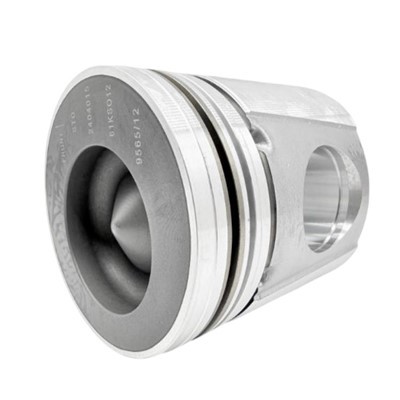
First off, let’s cut to the chase: you can’t just Google “YUNNEI piston specs” and grab the first PDF that pops up. Most of those are either for older, obsolete models, or they’re generic specs someone fudged to look official. Back when I first started in this biz, I tried using a random third-party spec sheet for a YUNNEI 4100 piston and messed up the compression height by 2mm—cost me a client and a whole day’s rework. Lesson learned fast: not all “specs” are created equal.
The first and most obvious spot? YUNNEI’s own official manufacturing documents. But wait—how do you actually get those? Because if you go to YUNNEI’s main website, their current product pages only list high-level deets: bore size, material type, maybe weight. No compression height, ring groove dimensions, or skirt coating specs. Here’s the thing: YUNNEI doesn’t post full technical specs publicly. They only share the nitty-gritty with authorized partners—like my team and other legitimate distributors who actually work directly with their production lines. That’s not a shady move; that’s just how OEMs operate—they control critical specs to prevent counterfeiting and ensure parts fit properly. I once had a guy from a repair shop send me a screen grab of a YUNNEI piston with a “spec sheet” he found on a Chinese e-commerce site. It was missing the specific skirt finish that YUNNEI requires for their 4102 model, and the ring groove width was off by 0.1mm. The part didn’t seal right, and the engine ran 20 degrees hotter. Total waste.
Next up, when we’re talking real, verifiable specs, don’t sleep on our supplier network’s internal documentation. Wait, no—let me clarify: I’m not talking about random resellers. I’m talking about authorized YUNNEI piston suppliers, meaning folks like me, who have direct contracts with YUNNEI’s factory in China. We get access to their current production specs because we place bulk orders, work on joint quality checks, and have to ensure every part matches exactly what YUNNEI designed for their engines. For example, last quarter, YUNNEI updated their piston coating process for the 490 model from a plain graphite spray to a moly coating to reduce friction. I would’ve never known that from a public page—only because my team got the updated spec sheet when we placed our reorder. That’s the kind of detail that keeps your engines running, not just spinning on a bench.
But here’s the catch: not all suppliers will share these specs with you easily. Some cut corners, sell generic “compatible” parts, and hide behind vague lines like “fits all 490 engines.” That’s a red flag. I make it a rule on my end: if a customer asks for a full set of specs, I send them the exact dimensions straight from YUNNEI’s engineering team—bore diameter, ring groove number and width, compression height, pin diameter, even the material hardness (usually aluminum alloy 105 for most light-duty YUNNEI pistons). That’s non-negotiable for me because if a part doesn’t fit right, it’s my reputation on the line, too. I’ve had customers come to me after getting burned by a supplier who lied about specs; they’re shocked that I can pull up a spec sheet for a specific YUNNEI engine model within 5 minutes of them telling me the engine’s serial number, or even just the model code.
Another spot I’d recommend, if you’re working on classic YUNNEI engines that are out of production? The China Internal Combustion Engine Industry Association (CICEIA) has a database of historical engine specs, including older YUNNEI models. But again, it’s not all in one place—you have to search for the specific engine model (like YUNNEI 4105ZLQ, super common in agricultural engines) and cross-reference with multiple sources. I once helped a customer rebuild a 10-year-old YUNNEI tractor engine; the CICEIA spec for the piston was slightly off, so I pulled the original spec YUNNEI gave us when we supplied replacement pistons for old stock, and that’s what fixed it. CICEIA is a good backup, but never rely on it as your only source—old models change a little over time, and their specs don’t always get updated.
Now, what should you look out for in a spec sheet, anyway? It’s not just numbers—there are a few critical details that separate a good spec sheet from a useless one. First, the spec sheet should have the YUNNEI part number. That’s key—every piston has a unique part number from YUNNEI, so if your sheet doesn’t have that, it’s fake. For example, a YUNNEI 490 piston has a part number starting with YN490, right? If a sheet says “YN490” but no actual 8-digit number, that’s a red flag. Second, check the compression height (the distance from the top of the piston to the center of the wrist pin)—this is make-or-break for engine clearance. If you get this wrong, you’ll have valve-to-piston interference, which can blow an engine up before you even fire it. Third, don’t skip the ring specs: ring groove width, number of compression rings, oil ring size. I’ve seen way too many guys mix up the oil ring groove on a YUNNEI 4108 and end up with oil consumption issues a month later.
Now, let’s talk about what I see all the time: people trying to download spec sheets from random forums or TikTok videos. 9 times out of 10, those are either outdated, or for a different engine model. I had a customer last month who downloaded a YUNNEI 4100 spec from a TikTok post, and tried to use it for a YUNNEI 4102—wrong bore, wrong pin size, the whole part was a mismatch. He wasted $500 on parts that didn’t fit, and was ready to swear off YUNNEI entirely. That’s why I always tell folks: if a spec sheet is free and doesn’t ask for proof that you’re a legitimate buyer (like a business license or engine rebuild shop ID), it’s probably garbage. YUNNEI doesn’t give those specs out to random people, so anyone posting them is either lying or using old, irrelevant data.
As a supplier, here’s how I make sure my customers get accurate specs: before I even send a quote, I ask for the exact YUNNEI engine model, either from the serial number on the engine block or the factory model code. Then I pull the exact spec sheet directly from YUNNEI’s engineering portal—something only authorized partners can access. I never send a generic “fits YUNNEI” spec sheet; I tailor it to their specific engine. For example, if someone has a YUNNEI 490 for a dump truck vs. a YUNNEI 490 for a tractor, the piston specs might be almost identical, but the skirt coating might be slightly different for heavy-duty use. That’s the kind of nuance you only get from working directly with YUNNEI, not random third-party sites.
Wait, let’s also mention counterfeit pistons here, because that’s tied to specs. A lot of fake YUNNEI pistons online have spec sheets that look real, but the numbers are off by just enough to cause problems. Last year, a customer brought me a fake YUNNEI 4105 piston he bought off Alibaba; the spec sheet said pin diameter was 28mm, but the actual piston pin bore was 27.8mm. That’s not a typo—that’s a counterfeit cutting corners on machining. I test every piston against the official specs when it arrives at my warehouse; if it’s off, I send it back immediately. So if you’re working with a supplier that doesn’t test specs, that’s another red flag.
Now, if you’re still stuck on finding specs, let’s cut to the next step: connecting with someone who has access, and can verify the specs for you. I’ve been in this game long enough that I can tell you, no matter what engine model you’re working on, whether it’s a 2-year-old YUNNEI bus engine or a 15-year-old YUNNEI forklift, I can pull the exact specs you need. I don’t just sell pistons—I make sure they fit, because my business depends on repeat customers, not one-off sales. I’ve had customers come back to me 5 years later for the same model, because they trust that I’ll give them the right specs and the right parts.
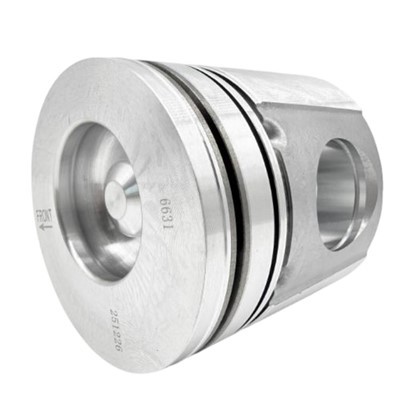
At the end of the day, finding accurate YUNNEI piston specs isn’t about scrolling through Google endlessly. It’s about going to sources that are actually connected to YUNNEI’s production—authorized suppliers like me, industry associations for internal combustion engines, and if you’re lucky, YUNNEI’s own service network. Skip the random social media posts and free PDF dumps; they’re more likely to get you in trouble than help. If you’re in the market for YUNNEI pistons and need verified technical specs to make sure you get the right part, feel free to reach out. I’m here to walk you through exactly what you need, no confusing jargon, no vague promises. Just real specs, real parts, and a partner that’s been in the thick of the automotive engine world with YUNNEI for years.
Cummins Piston References:
- China Internal Combustion Engine Industry Association. Historical Specification Database for Domestic Light-Duty Diesel Engines, 2024.
- YUNNEI Power Co., Ltd. Authorized Supplier Partner Technical Manual, 2023.
- Global Automotive Aftermarket Suppliers Association. Piston Specification Validation Standards, 2022.
Hebei Yuwei Piston Co., Ltd.
As one of the most professional yunnei piston manufacturers and suppliers in China, we’re featured by quality products and good service. Please rest assured to buy customized yunnei piston made in China here from our factory. Also, quotation is available.
Address: Beizhujiacun Village, Sujiuzhuang Town, Ningjin County, Xingtai City, Hebei Province
E-mail: Andy@ywpiston.com
WebSite: https://www.ywpiston.com/
