If you’re a homeowner with a high-efficiency furnace, water heater, or boiler, you’ve probably heard of condensate neutralizers—those small, often overlooked components that deal with the acidic wastewater your HVAC system produces. High-efficiency condensing systems run at lower exhaust temperatures, which means they burn fuel more cleanly, but that also creates acidic condensate (usually pH 3 to 4) as a byproduct. Left unneutralized, this wastewater can corrode your home’s drain pipes, damage your sewer line, or even violate local plumbing codes. As a condensate neutralizing media supplier, I talk to homeowners every week who’re overwhelmed by the options on the market. How do you pick the right one for your home? Let’s break this down with real, practical advice I’ve learned over the years working with installers and troubleshooting system issues. Condensate Neutralizing Media
First, let’s start with the basics: not all acidic condensate is the same. The pH level of your wastewater depends on the type of fuel your system uses. Natural gas and propane systems typically produce condensate around pH 3.5 to 4, while oil-fired boilers can have a lower pH (more acidic) sometimes as low as 3. If you have a combination system (say, a furnace and a water heater both draining into the same line), your total condensate load is even higher. That’s why the first step in choosing media is to match it to your system’s specific acidity and volume.
Let’s talk about the most common media options on the market. The two big ones are calcium carbonate-based media and magnesium oxide-based media. I see homeowners default to calcium carbonate first, but that’s not always the right call. Calcium carbonate is affordable, widely available, and works well for milder acidic condensate from natural gas systems. It dissolves as it neutralizes the acid, releasing carbon dioxide and raising the pH to a safe 6.5 to 8.5, which is the range most municipalities allow for discharge. But here’s the catch: calcium carbonate has a limited capacity, and it can get clogged easily if your system has a higher condensate load, like an oil boiler. When it dissolves, it leaves a white powdery residue that can build up in the neutralizer tank over time, slowing down the flow of wastewater and making the neutralizer stop working prematurely.
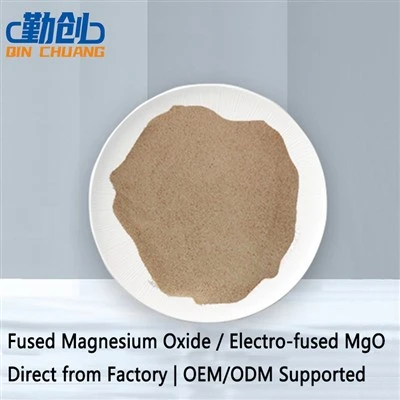
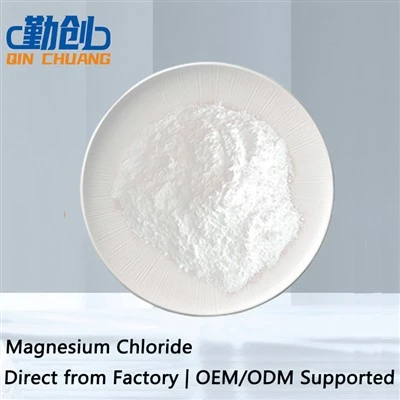
Magnesium oxide media, on the other hand, is more durable and has a higher neutralizing capacity. It’s better for systems with heavier condensate loads, oil-fired boilers, or combination units. Magnesium oxide reacts with acid to form magnesium hydroxide, which maintains a more consistent pH balance even with higher flow rates. It also doesn’t leave as much residue as calcium carbonate, so clogging is less of a problem. The downside? It’s a bit more expensive upfront than calcium carbonate. But in the long run, I’ve found that homeowners with larger or older systems often save money because they don’t have to replace the media as frequently, and they avoid the costly damage of unneutralized condensate.
Wait, there’s another option: blended media, which combines calcium carbonate and magnesium oxide. I developed our blended media line a few years ago after listening to installers complain that single-media products didn’t work for every home. Blended media balances affordability and performance: it has enough calcium carbonate to handle milder acid, and enough magnesium oxide to handle extra volume if your system is a combo. It’s a great middle ground for homeowners who don’t know exactly what their system’s needs are, or for smaller homes with moderate condensate output.
Now that you know the types of media, let’s talk about how to assess your home’s specific needs beyond just fuel type. First, check your system’s condensate volume. How much wastewater does your system produce? A standard 80,000 BTU natural gas furnace produces around 10 to 15 gallons of condensate per day in the heating season. An oil boiler might produce 20 to 30 gallons. If you have two systems, add those numbers. If your condensate volume is on the higher end, skip basic calcium carbonate—go with magnesium oxide or blended media to handle the flow without clogging.
Next, look at your local plumbing codes. Some municipalities specify exactly what pH level your condensate needs to reach before it’s discharged. For example, some areas require a minimum pH of 6.0, others 6.5, and a few up to 8.5. If your code is strict, don’t rely on cheap media that might not reach that threshold every time. I’ve seen homeowners who installed a $20 calcium carbonate media only to get a warning from their city because the pH never hit 6.5, and they had to replace it anyway. It’s worth investing a bit more upfront to avoid fines or rework.
Another factor: maintenance habits. If you’re the type of homeowner who likes to tackle annual HVAC maintenance, you might be fine with a media that needs to be checked every 1 to 2 years. But if you’d rather leave that to a technician, pick a media with a longer lifespan. Magnesium oxide media typically lasts 3 to 5 years in standard systems, while calcium carbonate might only last 1 to 3 years. Blended media falls somewhere in the middle, usually 2 to 4 years. If you have a busy schedule, go with the longer-lasting option to reduce how often you have to call someone to replace the media.
I also get asked a lot about “long-lasting” vs. “cost-effective” media. It’s not an either/or—you just have to match it to your system. Let’s do a quick cost comparison to put this in perspective. A 5-pound bag of calcium carbonate media might cost $15, and it lasts 1 year. A 5-pound bag of magnesium oxide might cost $30, but it lasts 3 years. That works out to $15 per year for calcium carbonate, and $10 per year for magnesium oxide. Over 5 years, the magnesium oxide saves you $25, plus you avoid the hassle of replacing it twice as often. For blended media, a 5-pound bag costs $22, lasts 2 years, so that’s $11 per year—cheaper than magnesium oxide, and a good fit for many systems.
Wait, but there’s a common mistake homeowners make: choosing media that’s too small for their neutralizer tank. Media comes in different sizes, and the amount you need depends on the size of your tank. A 10-gallon tank needs about 5 to 7 pounds of media, while a 15-gallon tank needs 8 to 10 pounds. If you skimp and add less than the recommended amount, the media will run out faster, and your condensate won’t be neutralized properly. I can’t tell you how many times I’ve heard, “I added half the media to save money, and now my drain is corroding.” Don’t cut corners here. If you’re not sure what size tank you have, check your HVAC system manual, or ask a local installer to measure it for you.
Another thing to consider: environmental impact. If you’re eco-conscious, some media options are more sustainable than others. Magnesium oxide is a naturally occurring mineral, so it’s a renewable resource, and it dissolves into harmless magnesium ions that don’t pollute waterways. Calcium carbonate is also natural, but the residue it leaves can add to sediment buildup in septic systems if you’re on a septic, which is another point to keep in mind. If you have a septic system, blended or magnesium oxide media is usually better because it produces less residual sediment that could clog your drain field.
Let’s talk about a few real-world examples to make this concrete. Last year, a homeowner in Ohio reached out to me: he had a 10-year-old oil boiler and a 50-gallon water heater, both draining into the same condensate line. His local code required pH 6.5. He’d tried basic calcium carbonate media, but it only lasted 6 months, and his pH was still dropping to 5.2. We recommended our magnesium oxide blended media, sized to his 12-gallon neutralizer tank. He installed it, and a year later, he told me his pH has stayed at 7.0, no clogs, and he hasn’t had any issues with his drains. Another homeowner in Florida had a small 60,000 BTU natural gas furnace. He went with calcium carbonate media, but he noticed his media was gone after 8 months because his system is run almost year-round (Florida’s weather is mild, so heating season is longer). We suggested the blended media, which lasts about 18 months for him, and it works perfectly for his milder acid condensate.
Now, let’s cover the red flags to watch out for when shopping for condensate neutralizer media. First, avoid “one-size-fits-all” products that claim to work for every system. Every home is different, and a media that works for a large oil boiler won’t work for a small natural gas furnace. Second, be wary of super cheap media that’s not labeled with its neutralizing capacity. A lot of off-brand media sold online doesn’t specify how much acid it can neutralize, so you don’t know if it’s enough for your system. Third, don’t forget to check if the media is compatible with your neutralizer tank. Some tanks are designed for specific media types—for example, some plastic tanks can be more prone to corrosion if you use certain media, so make sure the product you choose is recommended for your tank material.
Wait, a lot of people ask if they can test their condensate’s pH at home to get a better idea. The answer is yes, and it’s super easy. You can buy a cheap pH test strip at any hardware store, collect a sample of your condensate in a clean cup (make sure it’s not mixed with other water, like faucet water), and test it. Aim for a pH of 3 to 5 for acidic condensate, and if you test it, that will help you pick the right media. If your pH is 3.5 or lower, go with magnesium oxide. If it’s 3.5 to 4.5, blended media will work. If it’s above 4.5, calcium carbonate is probably fine.
If you’re still not sure which media is right for you, that’s where I come in. As a supplier, I don’t just sell media—I help homeowners match the right product to their specific system. We can walk you through measuring your condensate volume, checking your local codes, and even sending you a sample of media to test for yourself. The last thing I want is for a homeowner to make a mistake that leads to costly repairs down the line.
At the end of the day, choosing the right condensate neutralizer media isn’t just about picking the cheapest option. It’s about matching the media to your system’s fuel type, condensate volume, local codes, and maintenance habits. Taking the time to do this right will save you money, protect your home’s plumbing, and ensure you’re complying with local regulations. If you’re ready to pick the right media for your home, or have more questions about which product fits your needs, feel free to reach out to our team to discuss your requirements and find the perfect solution.
Magnesium Hydroxide References:
- American Society of Heating, Refrigerating and Air-Conditioning Engineers (ASHRAE). 2021. HVAC Applications Handbook: Condensate Management.
- International Association of Plumbing and Mechanical Officials (IAPMO). 2020. Uniform Plumbing Code, Section 804: Condensate Discharge.
- U.S. Environmental Protection Agency (EPA). 2019. Residential HVAC Wastewater Management: Acid Condensate Neutralization.
- National Comfort Institute (NCI). 2022. Condensate Neutralizer Selection Guide for Residential HVAC Systems.
- Water Research Foundation. 2021. Impacts of HVAC Condensate on Residential Plumbing and Sewer Systems.
Xingtai Qinchuang New Material Technology Co., Ltd.
As one of the most professional condensate neutralizing media manufacturers and suppliers in China, we’re featured by quality products and good price. Please rest assured to buy bulk condensate neutralizing media for sale here from our factory. Also, quotation is available.
Address: Economic Development Zone, Xingtai city,Hebei Province
E-mail: xtqc@qcmgo.com
WebSite: https://www.qcmgo.com/
