If you’ve ever been searching for a compact aluminum alloy lift, you’ve probably wondered: what’s the actual height I can expect from these things? I get this question all the time—from electricians fixing ceiling lights, contractors doing small commercial remodels, even warehouse managers who need to reach high shelves without a huge, clunky lift taking up half the loading dock. I’m not some PhD engineer, but I’ve been selling aluminum alloy lifts for over 10 years now, and I’ve walked customers through every size, every scenario, so I know the ins and outs. Aluminum Alloy Lift
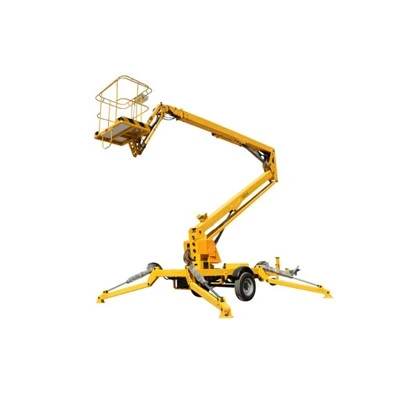
First, let’s get one thing straight: compact doesn’t mean one-size-fits-all. A lot of people think “compact” just means smaller than a standard scissor lift, but there’s a big difference between, say, a lift that fits through a 36-inch doorway and one that folds up to fit in the back of a pickup truck. The height of the lift itself has two key numbers to wrap your head around: the maximum working height (that’s how high you can actually reach, not just the platform height) and the stowed height (how tall it is when it’s folded up for transport or storage). That’s the part most beginners mix up, so I always make sure to clarify that first.
Let’s start with the stowed height because that’s usually the first thing someone cares about if they’re moving the lift around a job site. For a truly compact model—like the ones we sell for indoor use, where navigating tight hallways or through doorways is non-negotiable—the stowed height is almost never over 6 feet. Wait, let’s be specific: our smallest compact aluminum alloy lifts have a stowed height around 4.5 feet, which is short enough to slide right through a standard interior door (most of those are 6’8” tall, so even with a little room to spare, you don’t have to tilt it or worry about scraping the ceiling frame). For slightly larger compact models, the stowed height goes up to about 5.5 feet. That’s still low enough to fit in the bed of a full-size pickup, no need for a trailer, which saves people a ton of money on moving costs.
Now, the part everyone actually wants: maximum height. The working height is calculated by adding about 3 feet to the platform height, right? Because you’re standing on the platform and your arms go up—most adults are around 5’9”, so 3 feet gives you enough reach for most tasks. For compact aluminum alloy lifts, the platform height ranges from 10 feet to 18 feet, which translates to a working height of 13 feet to 21 feet. Wait, let’s break that down by use case so it makes sense. If you’re an electrician changing a ceiling fan in a house or a small office, you don’t need anything taller than 15 feet of working height—our 10-foot platform (13 feet working) compact lift is perfect for that. It’s so light, two guys can carry it, and you can lift it up a flight of stairs if you don’t have an elevator. For people doing small commercial jobs, like replacing signage on a storefront or painting high walls, the 18-foot platform (21 feet working) model is the sweet spot. It’s still compact enough to fit through a doorway, but it’s tall enough to avoid renting a bigger, pricier lift.
A lot of customers ask me if they can get a taller compact lift, like up to 30 feet or something. Here’s the catch with aluminum alloy lifts, especially compact ones: aluminum is strong, but it’s lighter than steel, so there’s a balance between height and stability. If you try to make a compact lift too tall, you have to add way more base weight to keep it from tipping, which defeats the whole purpose of a compact lift—because it becomes heavy and hard to move. The 10 to 18 foot platform range is the sweet spot for compact models; go higher than that, and you’re into mid-sized lifts, not compact ones. I’ve seen a few competitors try to sell “compact” lifts that go up to 25 feet, but those things are almost 3,000 pounds, can’t fit through a door, and require a trailer. That’s not compact, that’s just a regular lift with a tiny name.
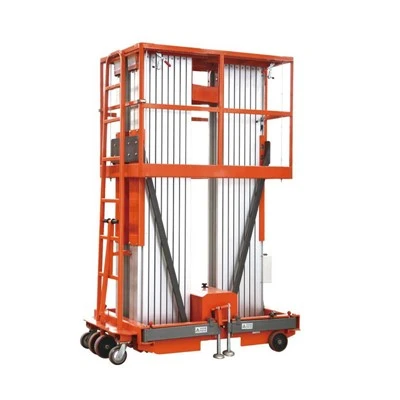
Let me also talk about the factors that can change that height number, because it’s not universal. First, the type of lift: some compact aluminum alloy lifts are vertical mast lifts, others are scissor lifts. Vertical mast lifts are usually slimmer, so their stowed height is lower (often around 5 feet) but their max height is a bit less—usually up to 20 feet working height. Scissor-style compact lifts have a wider base, so stowed height is a bit higher (up to 5.5 feet) but they have a larger platform, which is better if you need to carry tools and materials up with you. Second, the load capacity matters. If you’re lifting 500 pounds (which is the standard for most compact lifts), the max height is the number I mentioned. But if you only need to lift 250 pounds, you can get a tiny bit more height, maybe an extra foot. That’s a trick a lot of regular contractors know, but first-timers don’t.
Another thing people don’t think about: indoor vs outdoor use. If you’re using the compact lift outside, on uneven ground, you might have to lower the height a little for safety. Even though aluminum is weather-resistant, outdoor compact lifts usually have a lower max height (around 16 feet platform, so 19 feet working) because they need a wider base to stay stable on concrete or grass. Indoor models can go a bit higher because the ground is flat, so you don’t have to compensate for unevenness. I always tell customers to be honest about where they’re using the lift—half the issues I see are people buying an indoor lift for outdoor work, and it’s too tall and wobbly.
Let me share a quick customer story to put this in perspective. A few months back, a small painting contractor came in, saying he needed a compact lift to get his crew up to 20 feet to paint the second story of a few small retail spaces. He thought he needed a full-size scissor lift, which would cost him $1,200 to rent for a week, plus a trailer to move it. We showed him our 18-foot platform compact aluminum alloy lift. Stowed height was 5.2 feet, so it fit in the back of his van (he had a full-size cargo van, no trailer needed). Max working height was 21 feet, which was just right. He bought it for $4,500, and he’s used it for every job since—small remodels, ceiling work, even reaching high shelves at the warehouse he helps stock. He told me it paid for itself in 3 months, way less than renting every time. That’s the beauty of compact aluminum alloy lifts: they’re not just a temporary solution, they’re an investment if you use them regularly.
Wait, let’s address a common misconception: some people think compact means flimsy. No, that’s the steel ones. Aluminum alloy is actually super strong for its weight. Our compact lifts are rated for 500 pounds, so two guys plus tools fit easily. The height number we give is certified—we don’t mess around with that. The max height listed is the safe, OSHA-compliant height, so you don’t have to worry about it tipping or breaking if you follow the weight limit. That’s a big deal because a lot of cheap “compact” lifts from no-name brands cut corners on engineering, so their height numbers are exaggerated, and they’re not safe.
So, to circle back to the original question: what’s the height of a compact aluminum alloy lift? It depends on what you need, but for standard, reliable models that actually fit the “compact” description (fit through doors, easy to move, not a huge hassle), the stowed height is between 4.5 and 5.5 feet, and the working height is between 13 and 21 feet. If you need something beyond that, you’re looking at a mid-sized lift, not compact.
Now, if you’re in the market for a lift and you’re not sure exactly what height you need, don’t guess. It’s way better to talk to someone who actually knows these things, not a salesperson who’s just trying to push the biggest, most expensive model. I’ve been doing this long enough that I can ask a few quick questions—what job sites do you use it on, do you need to move it between jobs, how much weight do you carry—and give you the exact height that works for you. I don’t sell a one-size-fits-all thing, because I know that’s how people waste money.
If you’re tired of renting lifts that don’t fit through your doors, or paying way too much for something that’s too big, let’s chat. We can go over what you need, answer any other questions you have, and help you get a lift that fits your job, not the other way around. Don’t settle for a lift that’s too tall, too heavy, or doesn’t meet your needs—reach out and we’ll make sure you get the right one.
Reach Forklift References
- Occupational Safety and Health Administration (OSHA). 2019. Safety Standards for Powered Platform Lifts and Scissor Lifts.
- Aluminum Association. 2021. Properties and Applications of Aluminum Alloy for Compact Lifts.
- Construction Equipment Association. 2020. Guide to Compact Access Lift Dimensions and Capacities.
- National Electrical Contractors Association (NECA). 2018. Access Equipment Guidelines for Residential and Small Commercial Electrical Work.
Huazheng Heavy Industry Machinery Equipment Co., Ltd.
With abundant experience, we are one of the most professional aluminum alloy lift manufacturers and suppliers in China. Please feel free to buy high quality aluminum alloy lift for sale here from our factory. We also accept customized orders.
Address: Room 423-101, Building C-4, Electronics Valley Technology Center, No.3088 Lekai North Street, Gaokai District, Baoding City, Hebei Province, China
E-mail: sales02@hzheavy.com
WebSite: https://www.hzheavy.com/
