Hey, if you’ve ever found yourself stuck staring at a rusty padlock that won’t open when you need it most—like when your bike’s locked outside and the keys vanished, or you’re fumbling with a storage unit that’s been sitting unused for years—you know how stressful that “emergency” can feel. As a padlock supplier, I get questions about this all the time, and I’m not here to tell you to keep a bolt cutter in your back pocket (though that is one tool we sell). What I am here to do is break down how to cut a padlock safely, effectively, and without messing up anything else—because rushing this can lead to more headaches than just a locked door. Padlock
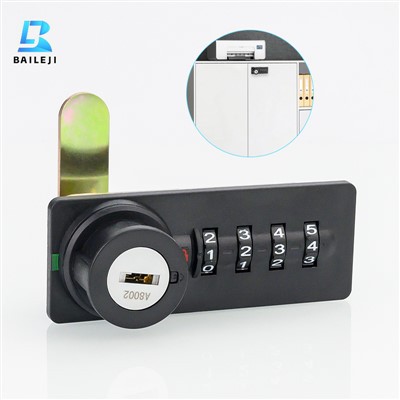
First off, let’s ground this in what padlocks actually are, because you can’t cut something if you don’t know how it’s built. Most standard padlocks (the ones you’ll find on bikes, storage units, or garden sheds) have a few key parts: the shackle (that U-shaped metal part that slides through holes), the body (the square/round part with the keyhole), and the locking mechanism inside. For the most common cheap-to-midrange padlocks, the shackle is usually the thinnest, weakest link—so that’s what you’ll target to cut. The metal type matters too: brass padlocks are softer, so they’re way easier to cut, while hardened steel shackles (which we sell for high-security uses) are much tougher, so you’ll need a different approach for those. I see folks mix these up all the time—trying to use a pair of scissors on a hardened steel padlock, and then coming back frustrated because it didn’t work. Rule #1: Know what you’re cutting.
Before you even grab a tool, pause for a second. Safety first. I’ve had customers show up with scraped knuckles or even nicked fingers because they rushed this. If you’re using a heavy tool like bolt cutters, wear work gloves—thick ones, not the thin gardening gloves—and safety glasses. Metal shavings flying at your face are not a joke. Also, make sure you have a stable spot to set the padlock: don’t hold it in your hand while cutting, because it’ll slip and you’ll either miss or hurt yourself. Wedge it between two solid objects (like cinder blocks, or even the frame of the thing it’s locked to) so it doesn’t move.
Now, let’s talk tools—this is where most people get stuck. The right tool makes all the difference, and you don’t need anything fancy, but you do need the right size.
First, the go-to for most emergencies: bolt cutters. Wait, not just any bolt cutters—size matters a lot here. Bolt cutters come with different “jaw lengths.” A 12-inch mini bolt cutter works great for small, thin shackles (like the ones on a bike lock or a luggage lock). But if you’ve got a mid-sized storage unit padlock, you’ll want a 18 or 24-inch cutter—anything smaller will just bend the shackle instead of cutting through it. Why longer? Because the lever arm gives you more force, so you don’t have to yank as hard. Pro tip: if your bolt cutter jaws are a little rusty, wipe them down with some WD-40 first—less friction means easier cutting, and less chance the jaws slip off the shackle mid-push.
But what if you don’t have bolt cutters? Maybe you’re out hiking and forgot them, or you’re in a pinch at home. I’ve seen people use angle grinders, but that’s for when you’ve got power—just make sure you’ve got a metal-cutting disc, not a wood one. If you’re doing this at home, put a old towel or sheet under the padlock to catch sparks (and so you don’t scratch your floor). Another option: a reciprocating saw (the kind with the long, blade that moves back and forth)—again, use a metal blade. But those two tools are for when you’ve got access to power; if it’s a real off-grid emergency, what then?
That’s when a hacksaw or even a pair of heavy-duty bolt cutters isn’t around—try a wire cutter? No, wait, for small shackles, a pair of locking pliers (Vise-Grips) to clamp the shackle tight, then a hacksaw. It’ll take longer, but it works. For really stubborn small shackles, I’ve had customers use a drill with a metal drill bit to bore through the shackle—make sure you drill right through the thickest part of the U, where the metal is stacked on itself. That’s a trick I learned from a guy who locked himself out of his shed last summer; he used a drill bit from his garage and got through in 10 minutes.
Wait, let’s talk about what not to do. I’ve seen people try to use a regular pair of scissors or kitchen shears—don’t. That’s a quick way to break your scissors. Or a crowbar? Prying the shackle open is risky because you can break the locking mechanism inside, and if it flies off, it might hit someone. And don’t use a torch unless you’re 100% sure you’re not near anything flammable—like, seriously, I had a customer who tried that on a bike lock in his garage and almost set his lawn on fire. Not a good look.
Now, let’s get into the step-by-step, because this is where people mess up. Let’s say it’s a standard brass padlock (soft metal, common on garden sheds) and you’ve got a pair of 18-inch bolt cutters. Here’s exactly what to do:
- Prep your space: Set the padlock between two solid objects (like two concrete blocks, or the bars of a fence it’s locked through) so the U-shape is facing up, and both sides of the shackle are wedged tight against something. You don’t want it moving when you squeeze.
- Line up the bolt cutter jaws: The jaws need to grip both sides of the shackle at the same time. Don’t just clamp one side—that’ll bend the shackle. Get the jaws centered on the thickest part of the shackle (where the metal bends into the U).
- Squeeze slow and steady, not hard fast. A lot of people yank the handles like they’re arm-wrestling, but that’s how the jaws slip. Apply consistent pressure—you’ll feel the shackle start to deform first, then give way. For hardened steel shackles (the ones we sell for high-security storage), you might have to adjust the position once to get through, but keep applying pressure.
- Once it’s cut, pull the two pieces apart and you’re done.
Wait, what if the padlock is on a storage unit, and the shackle is thick? That’s when the 24-inch bolt cutters come in. I always tell customers to match the cutter size to the shackle thickness—most padlock packaging lists the shackle diameter, so check that (or just bring the padlock to a hardware store if you’re not sure, and they’ll help you pick the right cutter). If you’re using a hacksaw, this will take a few minutes—cut on both sides of the shackle, not just one, to make it go faster.
Now, let’s get into some real-world stuff I’ve seen as a supplier. Last month, a guy emailed me saying he locked his bike to a fence, and his keys fell out of his pocket in a parking lot. He had a tiny 10-inch bolt cutter in his car, but it wasn’t enough for the thick steel shackle. I told him to go to a nearby gas station—they usually have a set of bolt cutters for locks, or a hardware store down the road. He ended up using a 16-inch cutter, worked like a charm. Another time, a woman locked her storage unit and the lock froze up in the winter—she didn’t need to cut it, but she asked if there was an emergency solution if her keys never turned. I suggested a small hacksaw blade, because she had one in her toolbox, which is cheaper than buying a new padlock if she could get the old one cut herself.
A lot of people ask me if they can avoid cutting a padlock in an emergency, and the short answer is: sometimes. If you’ve got a paperclip or a bobby pin, you can try picking a standard padlock, but that’s a skill. I’ve taught a few customers the basics—insert the paperclip into the keyhole, apply gentle torsion, and wiggle the pins inside until they click. But that only works on cheap padlocks, not the high-security ones we sell. So if you’re in a real emergency and you don’t have picking skills, cutting is the way to go.
Now, for the part where I talk about our business—we don’t just sell padlocks, we’ve been helping people with this exact stuff for years. A lot of customers come to us after an emergency lockout, asking what tools work best, and we’re always happy to give advice. If you’re someone who’s tired of stressing if your lock won’t open, or you’re prepping for those “just in case” moments, we’ve got a range of padlocks for every need—from small bike locks to heavy-duty storage locks, plus the right cutting tools for when you need them. If you ever have questions about which lock is best for your space, or what tools you’ll need for an emergency, hit us up. We’re here to help, no pressure, just good advice.
Wait, let’s wrap this up with a quick recap, because I know people scroll through blogs and need the key points. First: know your lock (brass = soft, easy to cut; hardened steel = needs a bigger tool). Second: safety first (gloves, glasses, steady spot). Third: match your tool to the lock (mini bolt cutter for small shackles, big ones for thick). Fourth: don’t rush—slow, steady pressure works better than brute force. And if you’re ever in a pinch and need to grab the right supplies, we’re just a message away to chat about what works for you.
I don’t want anyone to go through that panic of a locked space or bike, and I’ve seen how easy it is to do this right when you know what you’re doing. The last thing anyone needs is to damage their stuff or hurt themselves because they tried to cut a padlock with the wrong tool. So take a minute, follow these steps, and you’ll be on your way in no time. If you’re looking to set yourself up for future emergencies, or just need a reliable padlock that won’t give you headaches, reach out to us to talk through your needs. We’re here to make that stressful moment a little less messy.
Smart Cabinet Lock References: 1. Occupational Safety and Health Administration (OSHA) guidelines for hand tool safety in emergency repairs. 2. Padlock material specifications from industry standard lock testing bodies. 3. Field observations of emergency lockout solutions from retail and supply operations.
Suzhou Baileji Intelligent Lock Industry Co., Ltd.
As one of the most professional padlock enterprises in China, we’re featured by quality products and good price. Please rest assured to buy discount padlock in stock here and get pricelist from our factory. Also, customized service is available.
Address: 3rd Floor, Building 9, Shengteng Industrial Park, No. 8 Ruyuan Road suzhou, jiangsu, China
E-mail: vip@bailejilocks.com
WebSite: https://www.bailejilock.com/
