Hey everyone, Natural Chlorella

Let’s cut to the chase: if you’ve ever Googled “superfoods that actually taste good” and ended up scrolling past a million posts that make them sound like they’re straight out of a lab experiment (and taste like it too), this one’s for you. As someone who’s spent the last 8 years supplying natural chlorella to restaurants, home cooks, and health junkies who don’t want to sacrifice flavor for nutrition, I get it—chlorella has a weird reputation. Most people only know it as that bright green powder that’s either mixed into a smoothie so thick it could double as paint or sold in those chalky tablets you force down like a punishment for skipping veggies. But here’s the thing: natural chlorella can absolutely be used in cooking, and no, it won’t turn your favorite pasta or stir-fry into something that looks like a science fair disaster.
Wait, hold on—let’s start with the basics, because I know some of you are side-eyeing your screen right now. What even is natural chlorella, anyway? It’s a freshwater microalgae, right? But the “natural” part matters a lot here. A lot of cheap chlorella on the market is grown in murky ponds, exposed to heavy metals or pesticides, or processed with harsh chemicals that strip it of its good stuff and leave that bitter, grassy aftertaste. The chlorella we supply? We grow it in controlled, closed bioreactors that are basically like algae greenhouses—no pollutants, just fresh water, sunlight, and CO2. We don’t use any weird solvents when we dry and mill it, so it retains that mild, earthy flavor (think: fresh spinach, not a lawn clipping) and all the nutrition. That’s the key to cooking with it—you can’t use the low-quality stuff and expect it to work for anything other than hiding in a smoothie.
Now, let’s get to the fun part: cooking with it. I know, I know—green algae in a tomato sauce? That sounds wild. But hear me out. The trick is that chlorella has a mild, umami-rich profile, not a sharp, bitter one, when it’s high-quality. Umami is that savory, satisfying taste that makes food feel “complete,” right? It’s the reason a good bowl of miso soup or a burger tastes so good. Chlorella is packed with umami compounds—like glutamic acid—so it can actually boost the flavor of dishes without you even noticing you added it. That’s a game-changer for people who want to add nutrition without messing up their go-to meals.
Let’s break down easy, actually doable recipes, no fancy skills required. First up: pasta sauce. I cook a lot for my girlfriend, and this is her favorite way to use chlorella. When you’re making a basic marinara—crushed tomatoes, garlic, a bit of onion, oregano—wait until the sauce is done simmering, then stir in 1 teaspoon of natural chlorella powder per 2 cups of sauce. Whisk it fast, and you’ll barely see a color change (it’ll just turn the sauce a deeper, richer red, not bright green). The umami from the chlorella makes the tomatoes taste sweeter, and you get a dose of vitamins A, C, iron, and protein in every bite. I’ve had chefs test this at local pop-ups, and most couldn’t tell there was an extra ingredient—they just said the sauce tasted “more balanced.” Win-win.
If you’re into savory breakfasts (or you’re like me and eat breakfast for dinner), chlorella works amazing in egg dishes. Scrambled eggs are my go-to. Just whisk ½ teaspoon of chlorella into your egg mix (plus a splash of milk, salt, and pepper) before cooking. The eggs will turn a soft, pale green—nothing neon, I promise—and the chlorella adds a subtle, earthy depth that cuts through the richness of the eggs. You can also sprinkle a bit on top of avocado toast, but wait—don’t just dump it on. Give it a quick mix with a bit of lemon juice first. Lemon brightens the chlorella and makes the flavor pop, so it doesn’t taste like you’re adding algae to toast. I also use it in veggie frittatas—stir it into the veggie mix before pouring the eggs in, and it adds a nice texture, too, since chlorella has a tiny bit of fiber.
What if you’re more of a stir-fry person? Chlorella works great here, too. The key is to add it at the end of cooking, because high heat can dull its flavor and make it bitter. After you’ve cooked your veggies (bell peppers, broccoli, snap peas, whatever), your protein (tofu, chicken, shrimp), and tossed them with soy sauce or teriyaki, turn the heat down to low, and stir in 1 teaspoon of chlorella per serving. Toss everything together for 30 seconds, and that’s it. The umami from the soy sauce pairs perfectly with the chlorella, and you get all the benefits—chlorella has chlorophyll to help with digestion, B vitamins for energy, and omega-3s—without the green taste taking over.
Wait, what about baked goods? I know, I know—green algae in cookies? But hear me out, it works for savory baked goods, like bread or muffins. I’ve tested a whole wheat bread recipe where I replaced 1 tablespoon of flour with 1 teaspoon of chlorella powder. The bread has a subtle, nutty flavor and a tiny green crumb, but it’s not noticeable when you slather it with butter or make a sandwich. For a fun twist, add a bit of chlorella to savory cheese muffins—they’re perfect for grab-and-go breakfasts or snacks. Just don’t use it in sweet baked goods like chocolate chip cookies, unless you want them to look like they have a weird green tint (unless that’s your thing, no judgment, but I’ll stick to the savory stuff).
Now, let’s talk about the actual science behind why natural chlorella is safe and good to cook with, because I know some people worry about algae, heavy metals, or processing. Chlorella is a complete protein, which is rare for plants—it has all 9 essential amino acids our bodies can’t make on their own. It’s also packed with chlorophyll, which helps bind to heavy metals in the body and flush them out (that’s the “detox” thing people talk about, but it’s actually science, not hype). When we process our chlorella, we use a process called “cell wall breakdown” because chlorella has a tough cell wall that most people can’t digest properly. We use a gentle, food-grade enzyme process to break it down, so your body can actually absorb all the nutrients—no waste. That’s another reason the “natural” label matters: some brands use harsh mechanical grinding that doesn’t break down the cell wall, so you’re just peeing out all the good stuff, and left with that bitter taste.
I should also mention the amount—less is more, always. A little bit of chlorella goes a long way. If you use too much, it will taste like grass, and your food will turn neon green, which is not the look we’re going for. Start with ½ to 1 teaspoon per 2 servings, and adjust to your taste. I tell everyone to err on the side of less, because you can always add more, but you can’t take it out once it’s in the dish.
Let me address some common myths, because I hear them all the time. Myth #1: Chlorella tastes like fish or pond water. No, that’s low-quality, processed chlorella. Our natural chlorella has been tested for contaminants, has no fishy aftertaste, and tastes like fresh green veggies. Myth #2: It’s only for smoothies. Nope, as we covered, it works in pasta, eggs, stir-fries, even bread. Myth #3: It’s not safe for regular cooking. Actually, because it’s so mild, it’s way more versatile than other superfoods like spirulina (which I love, but spirulina is way more bitter and hard to hide in dishes).
At the end of the day, the whole point is making healthy eating accessible and tasty. A lot of people think eating well means eating boring food, or food that tastes like medicine, but that’s not true. Natural chlorella is a superfood that doesn’t have to be a hassle. If you’re a home cook looking to add more nutrition to your family’s meals, or a restaurant owner wanting to add a new, unique ingredient to your menu, our natural chlorella is perfect for you. We work with everyone from small local cafes to large chain restaurants, and we can supply bulk quantities or smaller bags for home use.
If you’re curious to try it, or you’re ready to place an order, reach out to us to chat about your needs—whether you want sample packs to test in your kitchen, or bulk pricing for your business. We’re here to help you figure out how to incorporate chlorella into your cooking, no fancy skills required, and no weird flavors ruining your favorite dishes.
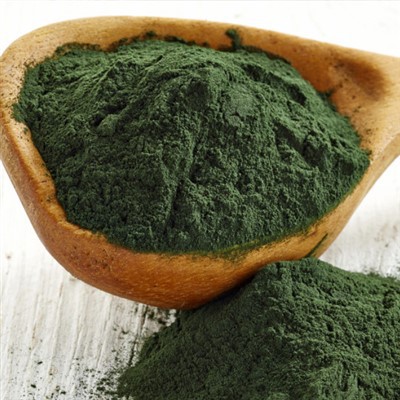
Don’t overcomplicate it—give natural chlorella a shot, and let me know what you think in the comments (or shoot us a message). Happy cooking!
Chlorella Pyrenoidosa References
- Becker, E. W. (2004). Microalgae as a source of protein. Applied Microbiology and Biotechnology, 65(1), 107–112.
- Pulz, O., & Gross, W. (2004). Valuable products from biotechnology of microalgae. Applied Microbiology and Biotechnology, 65(6), 635–648.
- Markou, G., & Nerantzis, E. (2013). Microalgae for high-value compounds and biofuels production: A review with focus on cultivation under stress conditions. Biotechnology Advances, 31(8), 1532–1542.
- Gupta, S., & Abu-Ghannam, N. (2012). Bioactive compounds and health benefits of edible microalgae. Critical Reviews in Food Science and Nutrition, 52(10), 929–946.
- Spolaore, P., Joannis-Cassan, C., Duran, E., & Isambert, A. (2006). Commercial applications of microalgae. Journal of Bioscience and Bioengineering, 101(2), 87–96.
Dongtai City Spirulina Bio-Engineering Co., Ltd.
As one of the most experienced natural chlorella manufacturers and suppliers in China, we offer a wide range of products with superior quality. Please feel free to buy bulk natural chlorella made in China here from our factory. Good service and reasonable price are available.
Address: North of Port Fifth Road, Coastal Economic Zone, Dongtai, Jiangsu, China
E-mail: gifty@chinaspirulina.com
WebSite: https://www.chinaspirulina.com/
