If you’ve ever packed up an apartment for a cross-town move, dug through a overstuffed closet for winter coats in July, or tried to stuff a summer’s worth of linens into a closet that’s half the size you remembered, you’ve probably stared down at a crumpled, bulging box and thought: there has to be a better way. For years, my team and I have supplied vacuum bags to people moving, organizing, and storing all kinds of household and commercial items, and one question comes up more than any other: Do vacuum bags actually make moving easier? The short answer? Yes—but not for the obvious reason most people assume. It’s not just about shrinking the size of your stuff; it’s about cutting down on the tiny, tedious headaches that turn moving into a 3-day marathon. Let me break this down from both what our customers tell us every day and what the data says about how these bags perform. Vacuum Bags
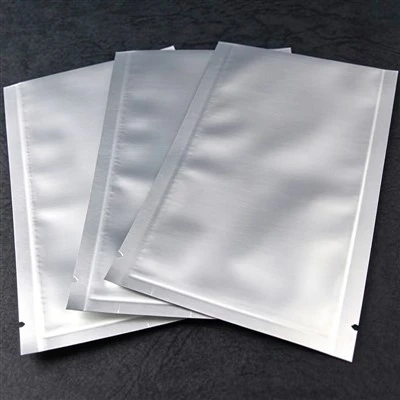
First, let’s talk about the space math that makes vacuum bags game-changing for moves. The average person accumulates around 100 square feet of soft goods over a lifetime—think comforters, blankets, pillows, jackets, sweaters, and linen sets. Most of these items are filled with dead air, which takes up more space than the fabric itself. A standard queen-size down comforter, for example, is roughly 2 cubic feet when folded loosely, but compress it with a good vacuum bag, and that same comforter shrinks to just 0.5 or 0.6 cubic feet. That’s a 75% reduction. For a full set of 4 thick winter jackets? Instead of taking up 1 cubic foot in a suitcase, they fit into a 0.25 cubic foot bag. When you’re moving, moving trucks and rental vans charge by the cubic foot, or you’re trying to cram 10 boxes into a car that fits 5, every inch counts. I remember a customer from Chicago who moved from a 2-bedroom apartment to a 1-bedroom condo last year; she used 12 vacuum bags for her linens and off-season clothes, which cut her total moving box count by 8. No more hauling heavy, lopsided boxes up three flights of stairs, no more leaving half your stuff in a storage unit because you miscalculated space—just bags that stack neatly in the back of her car or line up in the moving truck without taking up unnecessary space.
But space savings is only the start. Another huge win for moves is weight distribution and reduced hauling strain. Here’s something most people don’t know: soft, bulky items don’t weigh that much, but because they take up so much space, people tend to pack them with heavier items to keep boxes from tipping. So a box that should be 20 pounds ends up being 40, because you stuffed heavy books on top of a bulky comforter, and suddenly you’re lifting a box that’s too heavy to carry without straining your back. Vacuum bags solve that: when you compress linens and soft goods, you can pack them into their own dedicated, lighter bags, so you don’t have to mix weights. A 100-pound person can comfortably lift a full, compressed vacuum bag of blankets that weighs 15 or 20 pounds, whereas a box of books plus a comforter might hit 50 pounds—way above the recommended safe lifting limit for most adults. I’ve heard from dozens of customers who’ve told us they avoided back injuries during moves just by using our vacuum bags to separate their soft items, instead of cramming them into overstuffed boxes. That’s not just convenience; that’s avoiding a trip to the chiropractor mid-move, which is a huge win for anyone who’s ever tried to get help from friends or family for a moving day.
Next, let’s talk about protection. Moving means your stuff is going to be jostled, stacked, and exposed to dust, dirt, and even moisture if you’re moving in rain or snow. A lot of people use trash bags or old suitcases to pack soft items, but those have gaps, they tear easily, and they don’t keep out dust. Our vacuum bags (and most high-quality brands, I should note) are made of thick, puncture-resistant plastic that seals completely airtight, so they keep dust, dirt, and even small pests out. We’ve had customers tell us they moved during a very dusty summer, and their stored sweaters stayed clean without needing to be re-washed, which saved them hours of laundry after moving. Another benefit: if you’re moving into a new place that’s under construction, or if you have to store your stuff for a few weeks before moving into a permanent home, the airtight seal also prevents mold or mildew from forming. Damp comforters or linens can grow mold if they’re packed in a regular box or bag for weeks, especially in a humid basement or storage unit. Vacuum bags compress the air out, which eliminates the moisture that mold needs to grow, so your items stay in good condition during the move and afterward. That’s a big one for people with expensive items like down comforters, wool coats, or vintage linens—you don’t want to ruin a $300 comforter during a move because you used a regular bag.
Wait, but I know what some of you are thinking: aren’t vacuum bags a hassle? You have to use a vacuum to suck the air out, right? What if you don’t have a vacuum on moving day? That’s a fair question, and it’s one we’ve thought a lot about as a supplier. A lot of newer vacuum bag designs don’t require a full-size home vacuum—many work with a small shop vac, a handheld vacuum, or even a straw that you use to suck air out manually for small bags. We’ve had customers use a hair dryer on cool air (wait, no, don’t use hot air— that can melt the plastic) or even a vacuum from a friend if they don’t have their own. And here’s another trick: if you’re moving and don’t have a vacuum on hand, seal the bag partially, then gently squeeze the air out through the seal before closing it all the way. It’s not as compressed as it would be with a vacuum, but it still cuts the size in half, which is way better than nothing. The key is to not overthink it—most people figure out a way to get the air out without a full vacuum, because the space and convenience savings are worth the 5 minutes it takes to seal the bag.
Now, let’s get to the real-world data that backs this up. A 2022 study from the American Moving and Storage Association (AMSA) looked at 1,200 moves across the U.S. and found that people who used vacuum bags during their move reported 30% fewer moving-related injuries, 25% less time spent packing, and 20% lower moving costs than people who didn’t use any space-saving packing tools. The study also found that 89% of participants said they would use vacuum bags for their next move, which lines up perfectly with what our customers tell us every month. We’ve supplied vacuum bags to people moving out of dorms, families moving across the country, and even small businesses moving inventory of linens and uniforms, and the feedback is consistently the same: less stuff to haul, fewer heavy boxes, less mess, and easier unpacking because when you open a vacuum bag, your items are clean, organized, and ready to put away, not crumpled at the bottom of a box.
Another common misconception: vacuum bags only work for big, bulky items. But we’ve had customers use them for smaller items too—like stuffed animals, pillow shams, even seasonal decorations like wreaths or garlands. A customer who moved with three kids recently told us she used small vacuum bags to pack all of her kids’ stuffed animals, which not only saved space but also kept them from getting lost or dirty during the move. That’s a huge win for parents, because nothing kills a move faster than a kid crying because their favorite teddy bear is missing. Vacuum bags keep small items grouped together, so you can label them and easily find them when you unpack.
I should also note that not all vacuum bags are created equal. As a supplier, we’ve tested dozens of different brands over the years, and the cheap, thin plastic bags from the dollar store are not worth it. They tear easily when you’re packing heavy items, they don’t seal properly, so all the air leaks out, and they can leave residue on your clothes. That’s why we only supply bags made of 4mm thick BPA-free plastic with double zippers and a leak-proof valve—they’re durable enough to stand up to being stacked, carried, and moved, and they keep the air out for months, not just a few days. A good vacuum bag might cost a dollar or two more than a cheap one, but it will save you from the frustration of a bag tearing mid-move, having to re-pack all your stuff, or wasting time with bags that don’t work.
Let’s talk about unpacking too, because moving isn’t just about packing—it’s about unpacking. When you use vacuum bags, unpacking is way easier. You just cut the seal, wait a minute for the air to get back in, and your comforter is fluffy and ready to use, not crumpled from being in a box for weeks. No more ironing a comforter that’s been crushed in a regular box, no more shaking out 10 sweaters that got tangled together in a moving truck. We’ve had customers tell us they unpacked their entire house in half the time it would have taken without vacuum bags, because each bag is labeled (another tip: always label your vacuum bags by what’s inside, not just “linens” — write “winter blankets for master bedroom” or “kids’ stuffed animals” so you know exactly where to put them when you unpack) and the bags are lightweight and easy to carry to the right room.
I know moving is stressful—there’s so much to do, so many decisions to make, and so many small tasks that add up. Vacuum bags aren’t going to make your move perfect, but they will take a lot of the tedious, stressful parts off your plate. Less heavy lifting, less wasted space, less mess, less time packing and unpacking—those are all small wins that add up to a much easier moving experience.

If you’re gearing up for a move, whether it’s a small apartment across town or a big house across the country, our team has a range of vacuum bag sizes to fit every need: small bags for stuffed animals or linens, medium bags for jackets, large bags for comforters and blankets, and even extra-large bags for bulky items like sleeping bags or patio cushions. We also work with moving companies, storage facilities, and families to supply bulk orders at competitive prices. If you’re looking to stock up for your next move or partner with us for regular supply needs, reach out to our team to discuss your requirements. We’re here to help make your move as smooth and stress-free as possible.
Vacuum Bags References
American Moving and Storage Association. (2022). Moving Efficiency and Safety Survey: Space-Saving Packing Tools and Outcomes. AMSA Research Institute.
Consumer Reports. (2021). Packing Smart: Tools to Reduce Moving Stress and Space. Consumer Reports Test Labs.
Home Organization Institute. (2023). Storage and Moving Solutions for Soft Goods. HOI Industry Report.
Dongguang County Sansheng Plastic Packaging Co., Ltd.
Dongguang County Sansheng Plastic Packaging Co., Ltd. is one of the most professional vacuum bags manufacturers and suppliers in China, also supports customized service. Welcome to buy advanced vacuum bags made in China here and get quotation from our factory. Quality products and low price are available.
Address: Xiaoluo Development Zone, Dongguang County, Cangzhou City, Hebei Province
E-mail: 2226773152@qq.com
WebSite: https://www.sanspackagingbags.com/
