If you’ve ever worked in construction, metal fabrication, food processing, or even just tackled a big DIY project at home, you’ve probably wondered about gear that does more than one job well. That’s a question I get asked at least a dozen times a week by shop managers, line workers, and even small business owners testing their first set of safety gear: Is cut resistant fabric waterproof? As a cut resistant fabric supplier with 12 years in the game, I’ve fielded this question so many times I’ve written up half a dozen one-off explanations for curious customers, but it’s time to lay it all out clearly here. Let’s break this down, no jargon, no overpromises, just the real science behind how these fabrics work—and whether they can pull double duty as rain gear or water-resistant workwear. Cut Resistant Fabric
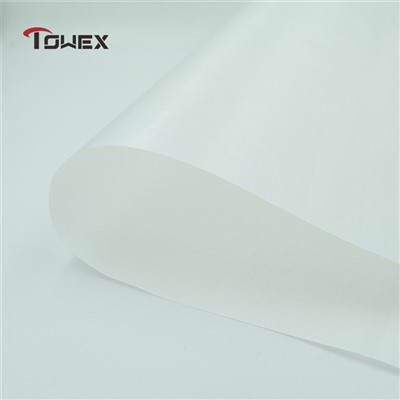
First, let’s get one critical thing straight: cut resistance and water resistance aren’t just two separate features—they’re built with completely different materials, right down to the molecular level. Cut resistant fabrics work by blocking sharp edges from piercing the material, usually with high-performance fibers that are strong, rigid, or both. Some of the most common ones are ultra-high-molecular-weight polyethylene (UHMWPE, the same stuff used in bulletproof vests), aramid (the fiber in Kevlar), and sometimes metal alloys like stainless steel mesh woven between textile layers. These fibers are designed to resist abrasion, slicing, and puncture, so their job is to stay tough, not porous or flexible in a way that repels water. Water resistance, on the other hand, is about keeping liquid out of the fabric structure, usually with a coating or a laminated barrier that blocks water molecules from seeping through the tiny gaps between fibers.
So can these two properties coexist? The short answer is: sometimes, but not always. And when they do, there are big tradeoffs you need to know about. Let’s start with the scenarios where they can work together. A lot of customers in the food processing industry, for example, want gloves that are cut resistant to handling sharp meat slicers, but also waterproof to wash off blood, grease, and disinfectant between shifts. That’s a common demand, and it’s doable with a specific type of cut resistant fabric. For these applications, manufacturers will take the base cut resistant material—usually a blend of UHMWPE and a synthetic fiber like polyester for durability—and add a thin, flexible waterproof coating on the outer layer. The key here is that the coating doesn’t compromise the cut resistant fibers underneath. If it’s applied correctly, the coating sits on top of the UHMWPE/aramid blend, so the sharp edges still hit the tough inner fibers instead of piercing the glove. I’ve supplied this exact fabric to several meat processing plants over the years, and the feedback has been solid: the gloves cut resistance stays intact, and they can be fully submerged in a sanitizing solution without absorbing water.
Another example is outdoor work: landscape crews, utility line workers, and construction teams often need jackets that are cut resistant for handling sharp lumber, rebar, or glass, but also waterproof to work in rain or light snow. For these customers, we’ve offered a laminated cut resistant fabric that combines a thin waterproof membrane (the same stuff used in Gore-Tex, for anyone familiar with that) with a lightweight aramid/UHMWPE weave. The membrane is micro-thin, so it doesn’t add bulk to the fabric, and it blocks water while allowing air to escape to prevent sweat buildup. The only catch here is that this type of fabric isn’t designed for full submersion—like wading through a puddle—but it’s perfect for rain or splashes, which is what most outdoor workers deal with on the job.
Now, let’s talk about the times when cut resistant fabric is definitely not waterproof, because that’s a part of the story I don’t want to sugarcoat. A lot of heavy-duty cut resistant fabrics, like the ones used for chainsaw chaps or high-impact work pants, are not waterproof at all. Why? Because their cut resistance comes from a tight, dense weave of fibers or even metal mesh, and that dense structure actually lets water seep in easily. Think about a piece of denim: it’s a tight weave, but it’s not waterproof, right? A dense cut resistant weave works the same way—water molecules can pass through the tiny gaps between the fibers, especially if the fabric gets stretched or worn over time. Some of these heavy-duty fabrics also have a loose, porous structure on purpose, so air can circulate to keep workers cool during long shifts, and that same porosity lets water in.
Even metal mesh cut resistant fabrics, which are super tough for handling very sharp, heavy materials like sheet metal, are usually not waterproof. The gaps between the metal wires are small, but not small enough to block water—you’d be surprised how easily rain or cleaning water can seep through a stainless steel mesh glove. I always warn customers who ask for metal mesh and waterproof features that it’s just not a compatible combination. Metal mesh gets too heavy when coated with a waterproof material, and the coating would break or peel off after just a few uses, making it useless for cut resistance anyway.
Another common myth I want to bust here: people often think that if you wash cut resistant fabric, it will lose its waterproof ability. That’s partially true, but it depends on how the waterproof coating is applied. If the fabric has a durable water repellent (DWR) coating that’s designed to withstand washing, it should last for about 20-30 washes before it starts to wear down. But if you’re using a cut resistant fabric that doesn’t have a specialized waterproof coating, regular washing with harsh detergents or even rubbing the fabric too hard can damage the fibers and make it less cut resistant over time anyway, so waterproofing is the least of your worries there.
Let’s also talk about real-world use cases, because this is what matters most to anyone buying safety gear. Last year, I worked with a small construction company out of Chicago that was tired of their workers getting cut on rebar and soaked through every time it rained. They initially tried a generic cut resistant glove they bought online, but it fell apart after a week and was so bulky their workers couldn’t handle small tools. They switched to our lightweight cut resistant gloves with a waterproof coating, and now their workers report no more cuts, the gloves are waterproof enough to handle splashes from wet concrete, and they can wear them comfortably for full 12-hour shifts. On the flip side, I had a customer in the lumber industry who asked for waterproof chainsaw chaps. I had to explain that chainsaw chaps need to be flexible to work properly, and any waterproofing would make them stiff, so they wouldn’t deploy when a chainsaw comes into contact with them. That’s a safety hazard, so we never recommend waterproofing for chainsaw gear.
So what’s the takeaway here, if you’re in the market for cut resistant fabric and you’re wondering about waterproofing? First, know your use case. If you need gear for food processing, light outdoor work, or handling wet, sharp materials, there are cut resistant fabrics that are waterproof. If you need gear for chainsaw work, heavy metal handling, or extreme impact resistance, waterproofing is probably not a good fit—either for performance or safety. Second, ask questions. Not all cut resistant fabrics are the same, so don’t just buy based on a label that says “cut resistant.” Ask about the fiber type, whether there’s a waterproof coating or membrane, and what that coating is designed to do (waterproof? water-resistant? just for grease?). Third, test it. If you’re ordering a bulk quantity, always ask for a sample first to test for yourself—pour a little water on it, submerge it for a minute, see how it feels. We send free samples to every customer who asks, because we want them to be happy with the product, not disappointed when it doesn’t work for their needs.
Fiber and Color Yarn As a cut resistant fabric supplier, my job isn’t just to sell you fabric—it’s to help you find the right solution for your specific job. I’ve seen too many workers get hurt or frustrated because they bought gear that sounded good but didn’t match their needs, so I always take the time to walk through the options, explain the tradeoffs, and make sure the fabric we supply is going to keep them safe and functional. Whether you’re a line worker, a chef, a landscaper, or a small business owner, the best gear is the gear that works as hard as you do. If you have more questions about whether a cut resistant fabric is right for your needs, or you’re ready to place an order, don’t hesitate to reach out to our team for a personalized consultation.
References
- ASTM International. (2020). Standard Test Method for Resistance of Materials to Cutting by a Sharp Edge. ASTM F1790-20.
- Gore, W.L. (1976). Waterproof and Breathable Laminate. U.S. Patent 3,953,803.
- Occupational Safety and Health Administration (OSHA). (2021). Personal Protective Equipment for General Industry. OSHA 3151-12R.
- Textile Institute. (2019). High-Performance Technical Textiles: Properties and Applications. Textile Insights.
- American Industrial Hygiene Association (AIHA). (2022). Guide to Selecting Cut-Resistant Gloves for Occupational Use. AIHA Press.
Jiaxing Towex New Materials Co., Ltd.
Jiaxing Towex New Materials Co., Ltd. is one of the most experienced cut resistant fabric manufacturers and suppliers in China, also supports customized service with low price. Please feel free to buy bulk high quality cut resistant fabric in stock here from our factory. Contact us for quotation.
Address: Building 1666, Wuzhen High-tech Zone, Tongxiang City, Zhejiang Province
E-mail: sales@towextech.com
WebSite: https://www.topuhmwpe.com/
